
Augmented Reality & Virtual Reality Experiences
Custom AR and VR development for training, simulation, and storytelling. We help businesses solve real problems with immersive technology, whether that means replacing dangerous in-person training with safe, repeatable VR simulations, turning a product launch into an interactive AR activation, or building spatial tools that change how your team works. Our development spans Unity, 8th Wall, ARKit, ARCore, and WebXR, with deployment across mobile browsers, Quest headsets, HoloLens, and custom hardware. Every project starts with your business goal, not a tech stack.
Companies we've collaborated with











Virtual Reality Training
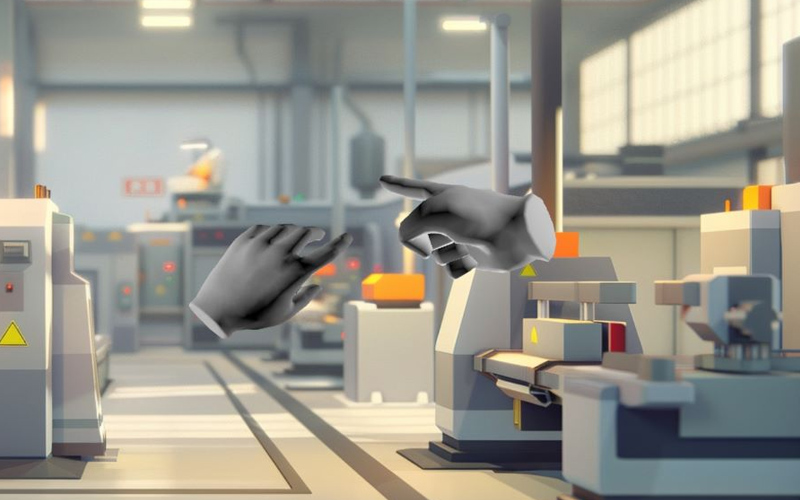
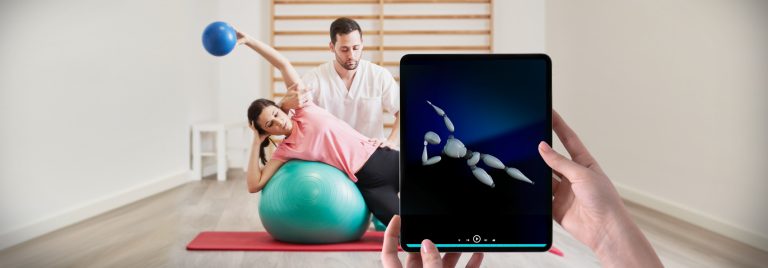
Training on hazardous equipment, complex procedures, or high-stakes operations shouldn’t require putting people in harm’s way, or flying them across the world. VR training environments let your team practice and build competence in realistic simulations that are safe, repeatable, and measurable.
We develop VR training modules in Unity with guided instruction, AI-driven narration, real-time feedback, and performance tracking. Our systems support multi-user collaboration across locations, digital twins of real-world equipment, and both guided and unguided training paths so learners can progress from structured lessons to independent practice. One engagement that started as a three-month build has continued for over five years, expanding from a single training module into a full platform used across continents.
Real-World Simulation
Augmented Reality for Education, Engagement, and Brand Activation
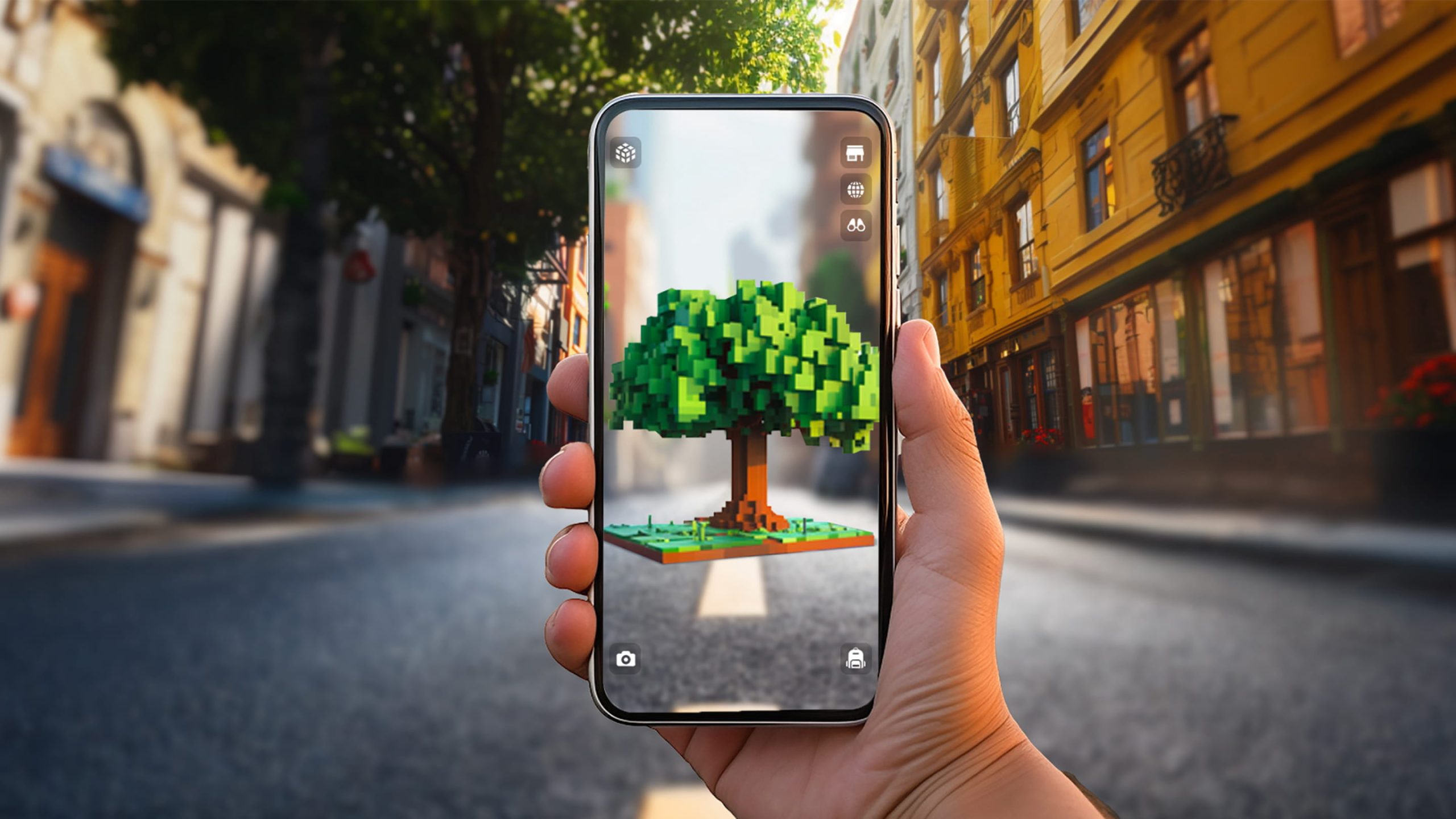
If you’re looking to engage customers, audiences, or communities in the physical world, augmented reality creates moments that static content can’t. AR overlays interactive digital content onto real environments through smartphones, tablets, or AR glasses, no app download required with WebAR.
We develop AR experiences for product demos, live event activations, interactive learning, and marketing campaigns using 8th Wall, ARKit, ARCore, and WebAR. Our approach focuses on making AR feel effortless for the end user: fast load times, intuitive interactions, and clear calls to action. One project (a location-based AR activation for live public events) drove voluntary engagement and social sharing with zero staff and no physical installations, scaling across multiple venues.
What We Offer
VR Training & Simulation
Unity-built training modules with guided instruction, AI-driven narration, real-time feedback, and performance tracking, for procedures too dangerous or too expensive to rehearse for real.
Digital Twins of Real Equipment
Virtual replicas faithful enough that what a trainee learns in the headset transfers to the machine on the floor.
Multi-User Collaboration
Sessions that connect people across locations and continents in the same virtual room, in real time.
AR Activations & WebAR
Product demos, live event activations, interactive learning, and campaigns built with 8th Wall, ARKit, ARCore, and WebAR, with no app download required.
Interactive Storytelling & Exhibits
Museum exhibits, branded environments, educational journeys, and virtual showrooms: immersive work that exists to tell a story rather than train or sell.
Spatial Design & 3D Assets
Concept development, spatial interface design, 3D asset creation, prototyping, and deployment across devices and platforms.
Interactive Storytelling and Spatial Content Design
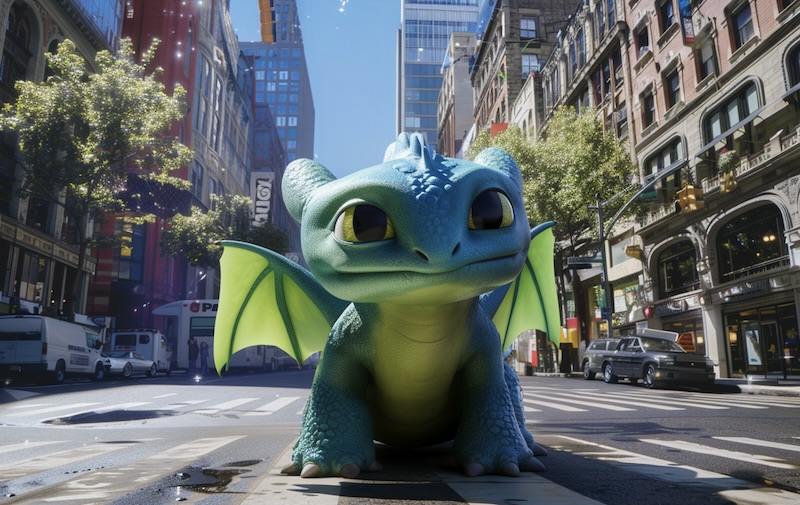
Not every immersive project is about training or marketing. Some of the most compelling AR and VR work happens when organizations need to tell a story, create a shared experience, or let people build something together, museum exhibits, branded environments, educational journeys, virtual showrooms, and creative tools.
We handle concept development, spatial interface design, 3D asset creation, prototyping, and full deployment across devices and platforms. Whether you need a community-facing experience that runs in mobile browsers or a creative tool that ships to VR app stores, we design interactions that feel intuitive and environments that hold attention. One VR world-building tool we developed earned a 4.7 rating on its marketplace and is now available across multiple VR platforms.
The 3D asset work underneath these experiences, from digital twins to stylized environments, lives in our 3D rendering and animation practice.
Why Choose SLIDEFACTORY
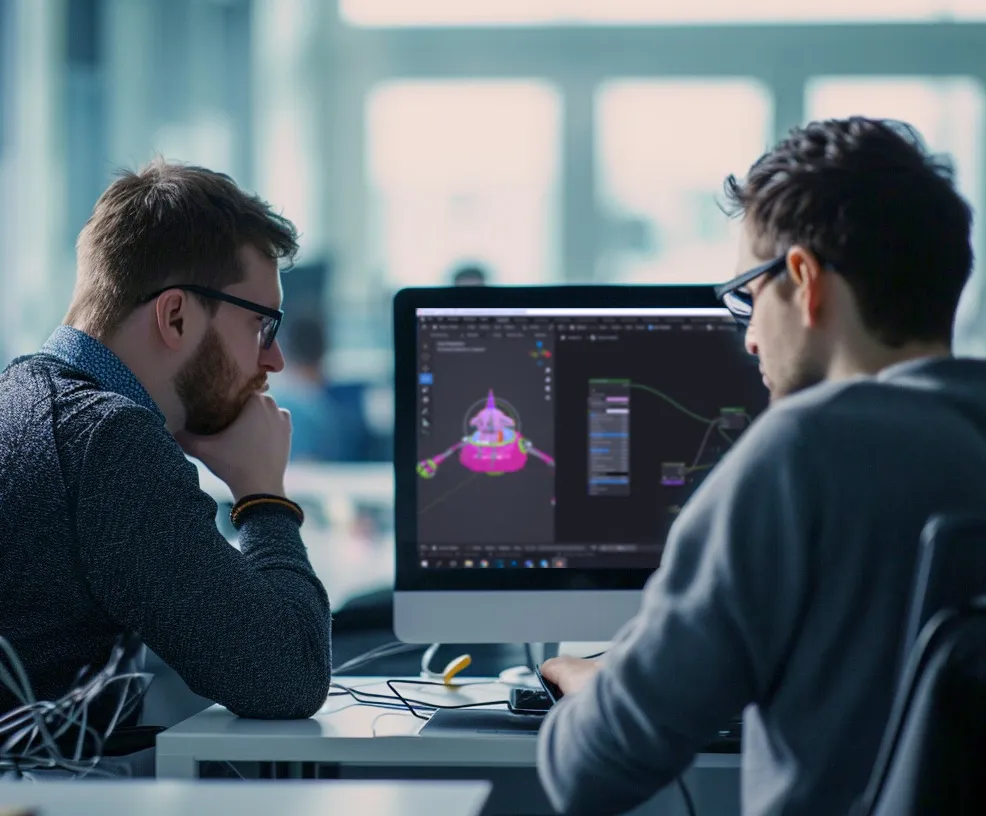
We’ve been building AR and VR experiences long enough to know what ships and what stalls. The difference usually comes down to whether the team understands both the creative vision and the production reality, performance constraints, cross-device compatibility, content pipelines, and what happens after launch.
Our engagements range from fast-turnaround AR activations to multi-year platform development with ongoing feature expansion. We build scalable backend systems, cloud-based admin tools, and maintainable codebases because immersive projects don’t end at deployment. They evolve. Based in Portland, Oregon, we work with clients across industries including entertainment, manufacturing, education, and consumer technology. If you have an immersive project that needs both creative ambition and technical follow-through, we’d like to hear about it.
Related Solutions

Unity Development
Expert Unity development for immersive games, training programs, and dynamic marketing campaigns.
Explore Unity Dev →
Game Development
Custom game development for desktop, mobile, VR, and web.
Explore Game Dev →
Mobile App Development
Develop custom mobile applications to enhance user engagement and drive business growth.
Explore Mobile Development →
Frequently Asked Questions
Should we build in AR or VR?
It depends on whether the experience needs the real world in it. AR overlays interactive digital content onto real environments through smartphones, tablets, or AR glasses, so it reaches people where they already are: a product demo, a live event, a physical space. VR replaces the environment entirely, which is what makes it the stronger choice for training and simulation, where you want a controlled, repeatable scenario without real-world risk.
Every project we take on starts with the business goal rather than the tech stack, and part of the first conversation is working out which of the two actually fits. Sometimes the answer is neither.
Do people need to download an app to use our AR experience?
Not with WebAR. The experience runs in the phone’s browser from a link or a QR code, which removes the biggest drop-off point in any AR campaign. We build with 8th Wall, ARKit, ARCore, and WebAR, and pick between them based on how the experience is being distributed and how much device capability it needs.
Native apps still make sense when a project needs deeper hardware access or lives inside an existing app you already ship. For activations and campaigns, browser-based AR is usually the more practical path.
Which devices and platforms do you develop for?
Our development spans Unity, 8th Wall, ARKit, ARCore, and WebXR, with deployment across mobile browsers, Quest headsets, HoloLens, and custom hardware. On the VR side we also work in Unreal Engine and BabylonJS, and build for Pico and Vive when an enterprise deployment calls for it.
Apple Vision Pro is its own practice here. See our Vision Pro development page for that work.
How do you scope an AR or VR project, and how long does it take?
Most engagements start with a single scoped module or experience, enough to test with real users and put real numbers behind a decision about a wider rollout, rather than a monolithic build. Our work ranges from fast-turnaround AR activations to multi-year platform development with ongoing feature expansion.
One VR training engagement that started as a three-month build has continued for over five years, growing from a single module into a full platform used across continents. That shape is common: prove one thing well, then expand from evidence.
What happens after the project launches?
Immersive projects don’t end at deployment. They evolve. We build scalable backend systems, cloud-based admin tools, and maintainable codebases for exactly that reason, and our training platforms include configurable environments so clients can add and modify modules themselves as equipment and procedures change.
The difference between an immersive project that ships and one that stalls usually comes down to whether the team understood the production reality up front: performance constraints, cross-device compatibility, content pipelines, and what happens after launch.