
Education Software Development, From Product Strategy to the Classroom
We help you decide what to build, then build it and support it after launch, for edtech companies, curriculum publishers and school districts. Education software since 2018.
Companies we've collaborated with






Education software development for the product you’re building
Learning products share a lot under the surface. Here is what changes from one to the next:
Special education software
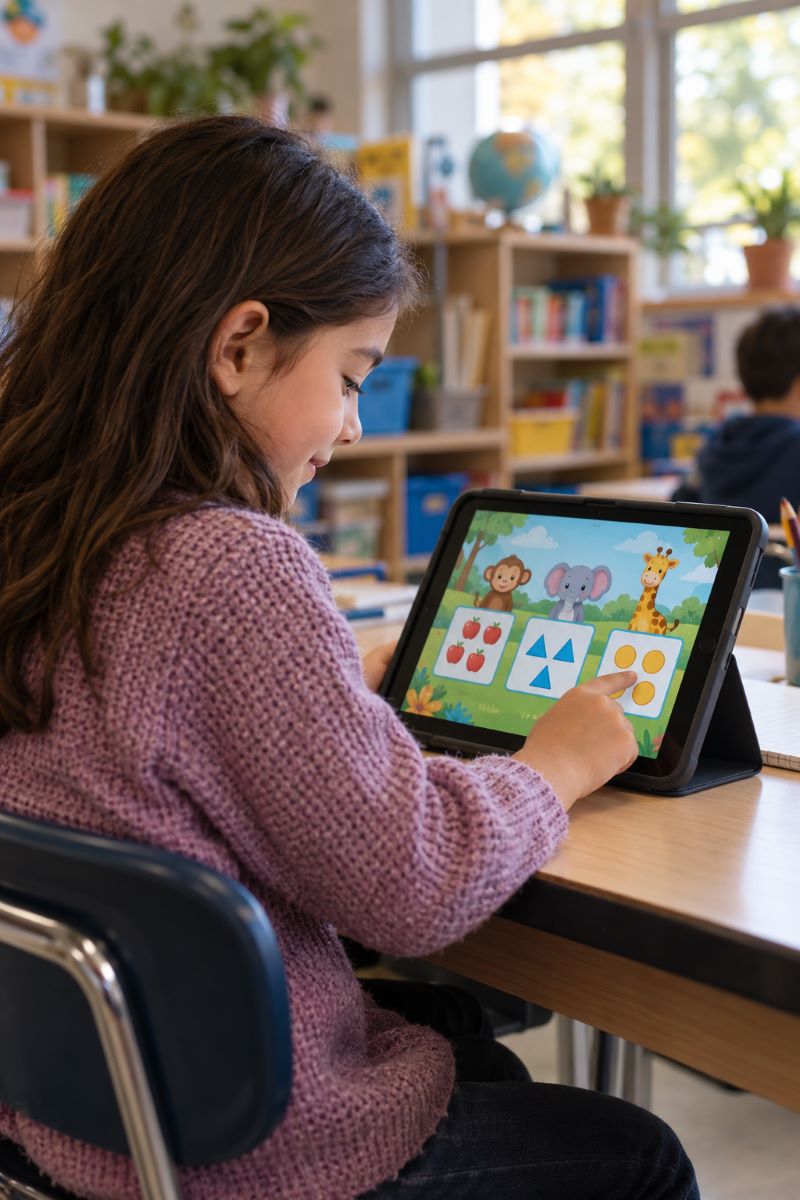
Activities built on errorless learning, with prompts, hints, difficulty levels and audio and visual reinforcement. Our largest education platform was built for teachers of students with autism.
Education app development
Web and mobile apps for students, teachers and families. Most need separate views over the same content, so a teacher can assign an activity and an administrator can see how it was used.
eLearning software development
Courses and training software for companies as well as schools, including VR. The maintenance training we built for Gigaphoton has been in production for over six years.
School sign-in and rostering (ClassLink, Clever, OneRoster)
Students and teachers sign in with the school accounts they already have, and class lists carry over. We have built rostering and sign-in with ClassLink, Clever, OneRoster and Okta.
Custom LMS development and learning platforms
A content system your team runs without a developer: activity builders, editing tools, localization and analytics, connected to a learning record store for reporting.
Educational games and interactive activities
Games built in Unity and played in the browser, plus AR and VR where a lesson needs it, like the AR game we made to teach young people about vaping.
Special education software that grows with the curriculum
Turning specialized knowledge into intuitive software takes a team that understands both your business and the people you serve. Our work with STAR Autism Support brings together product strategy, thoughtful design, and custom development to support meaningful digital learning experiences.
We help organizations turn complex requirements into products that are easier to use, manage, and grow. Whether you’re bringing a new idea to market or improving an existing platform, we’ll help you define the right next step and build it with confidence.
Where edtech projects stall
Education products tend to stall at one of four stages.
Strategy: the platform decision comes too late
Build, buy or extend gets settled after the code is written, and licensing and migration costs show up halfway through.
Design: the teacher was an afterthought
Teachers need to assign activities and see progress. A product that only works for the learner doesn’t get used in class.
Build: only a developer can change the content
When every new activity or translation waits for a developer, the library grows slowly and the content team works around the software.
Support: schools can’t adopt it
Students can’t sign in with their school accounts and the district’s data questions go unanswered. Or the platform underneath is losing support.

Decide what to build before anyone writes code
Extending your current platform, buying a learning system and building custom software each lock you into a different future. We compare them with you on what matters to an education business: how your content is authored, which school systems it has to connect to, licensing as you add schools, and the work to migrate.
When the answer is a new platform, we plan the move in phases, so schools keep using your product while the software underneath changes.

Design for every person who touches the product
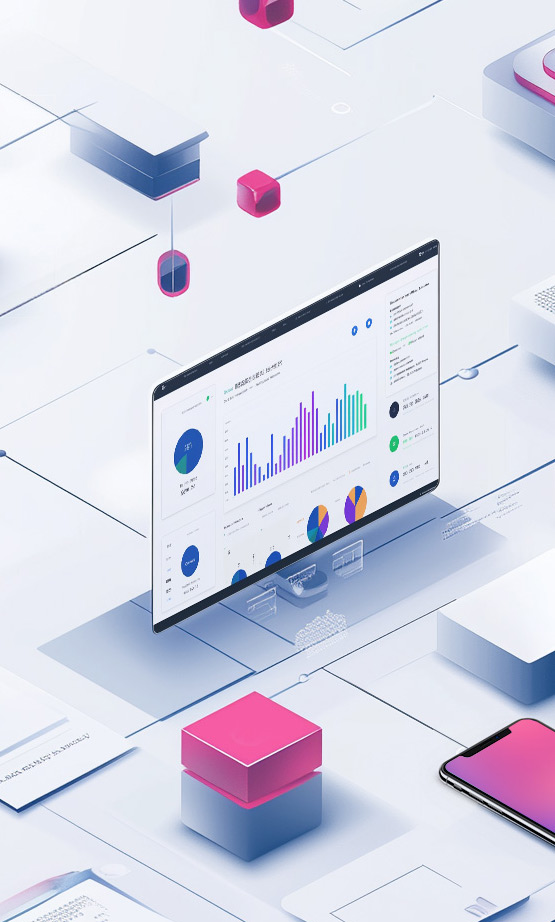
A learning product has at least three users: the student working through an activity, the teacher assigning it, and the administrator who needs to see it used. We give each of them a view built for their job, all working from one shared library.
The activities draw on errorless learning: prompts and hints that arrive before a mistake, difficulty that steps up gradually, and reinforcement that responds to what the student just did. When your customers require it, we design to WCAG at the level you specify.

Build the product, the content tools and the school connections
We build the whole product: the interactive activities students use, the authoring tools your team uses to add new lessons without waiting on a developer, and the connections that let schools adopt it, from school sign-in and rostering to reporting. Your library, your users and your school customers can all grow without a rebuild.
Where AI earns its place, we build it in, from recommendations that help families and educators find the right resource to tools that speed up how your team produces content.
Ready for district review, and supported after launch
Districts ask about student data before they ask about features. Your agreements with them, and laws like FERPA and COPPA, set the rules, and we build so you can show where data goes:
- Students sign in through the school accounts your customers already use, such as ClassLink or Clever.
- No advertising pixels or third-party tracking in student views.
- Learning records go to your learning record store and reporting tools, in accounts you own.
After launch we can keep developing and supporting the product, and we hand over the code if you request it.
One team from the first plan to the next release
Many education software development companies quote a build from a feature list and hand it back at launch. We work across all four stages, so the people who helped you decide what to build are the ones who build it and support it.
We are founder-led, with 25+ years of founder experience, and have worked with over 60 clients since 2018, education companies among them from the start. Our studio is on SE Belmont in Portland.
Start with an audit, a conversation or a build
Every build gets a written scope and estimate before work begins.
Free SEO audit
A report on your product site and how it shows up in search.
- Visibility and technical health
- Search opportunities for your product
- Fixes listed in order of impact
- Sent by email
Scoping call
A conversation about what you’re building and where you need help.
- Your goals, users and current platform
- Build, buy or extend, talked through
- Where we would start
- No finished brief needed
Education product build
Strategy, design, development and support.
- Learning apps and platforms
- Content and authoring tools
- School sign-in and rostering
- Code handed over on request
What Our Clients Say

“The Slide Factory is one of those companies you don't often have the privilege of working with. It's not just that they do high-quality work, listen to the client, meet your deadlines, and bring insights that may not have been on your radar.”
“Wow, I loved the finished product. It just worked but also I was able to go through the different iterations so easily because the guys at the Slidefactory were so professional in their process.”
“I had a fantastic experience working with Mark at The Slide Factory. He was incredibly helpful throughout the entire process, asking thoughtful questions to ensure every detail was just right.”
Frequently Asked Questions
How much does education software development cost?
It depends on four things: how many kinds of users the product serves (students, teachers, administrators, families), how much content your team needs to author and translate, which school systems it connects to, and whether it replaces a platform already in use. We scope those with you and give you a written estimate before any work starts. If the decision between building and buying is still open, we help settle that first.
Can you work with the platform we already have?
Yes. Many projects start with software already in classrooms, content that has to carry over, and integrations schools depend on. We look at what should change and what should stay, and plan moves in phases, including off platforms that are reaching end of life, so schools are not left without the product mid-year.
Should we build a custom LMS or buy one?
Buy when an existing LMS covers how you teach and your content fits its model. Build when your activities, user roles or reporting don’t fit, or licensing costs grow with every school you add. We compare both with you, including migration and licensing, before recommending either.
Do you build special education software?
Yes. Our largest education platform was built for STAR Autism Support, whose curriculum serves educators teaching students with autism. We design activities with structured support, clear feedback and steady progression, so each student moves forward at their own pace. When your customers require it, we design to WCAG at the level you specify.
What is errorless learning, and how does software support it?
Errorless learning is a teaching approach that sets up a task so the student is guided to the right answer before a mistake can happen. In software that means prompts and hints that appear before a mistake, difficulty that steps up gradually, and reinforcement for each success. The special education activities we build draw on these principles.
Can students sign in with their school accounts?
Yes. We have built rostering and sign-in with ClassLink, Clever, OneRoster and Okta, so students and teachers use the accounts they already have and class lists carry over. When a product also has to run inside a school’s LMS through LTI, or package courses as SCORM, we scope that against the systems your customers use.
Do you work with learning record stores?
Yes. We have connected learning modules to a learning record store, so activity records are searchable and can feed the reporting and analytics tools a school or company already uses. A learning record store keeps a record of what each learner did across activities, separate from any one app.
How do you handle student data privacy?
Your agreements with districts, and laws like FERPA and COPPA, set the rules. We design the product to them: sign-in through school accounts, no advertising or third-party tracking in student views, and learning records kept in systems you own. Whether a product meets a specific agreement is your call, and we build so you can show how data moves.
Can AI be part of our product?
Yes, when it has a clear job. We have built a machine-learning recommendation engine that matches families and educators to the right resources, and used AI to speed up educational content production. For a new feature we agree what information it needs, where a person reviews its output, and how you will measure whether it works.
What does building an educational app involve?
Four stages: deciding what learners and teachers need to do and whether to build, buy or extend; designing the views each user gets; building the app, its content tools and its school integrations; then launch and support. We can join at any stage. If you’re starting from an idea, we start with the first.