Skip to content

Immersive Technology

Unity & Game Development

We develop games, VR experiences and interactive 3D products in Unity. Our game development services include complete builds, co-development with an existing studio, playable prototypes and taking over Unity projects that need upgrading or support.

Broom Magic Mayhem VR game
Broom Magic Mayhem · VR game
Clients

Companies we’ve worked with.

What We Build

Game development services for studios, brands and training teams.

SLIDEFACTORY is a Unity game development company. We build for headsets, desktop, mobile and the browser, as the whole production or as part of yours.

Hire a Unity Team

Unity developers for hire, ready to join the build.

You can hire Unity developers to join an existing production or build a complete experience with SLIDEFACTORY. We work with the team responsible for the game or product, write and test the actual code, and stay involved as the project moves from mechanic to build. We also work white-label under an NDA and can hand over the completed game and code on request.

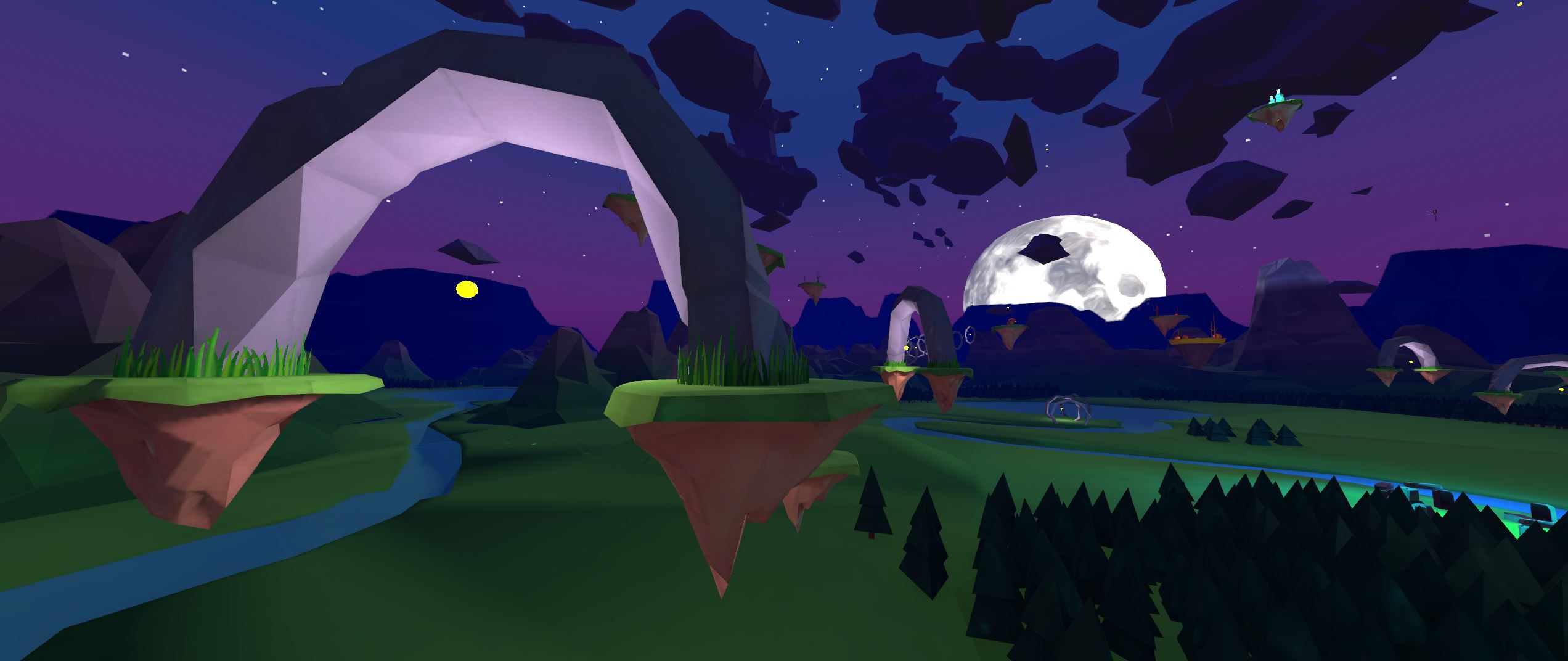
Broom Magic Mayhem gameplay: a floating rock arch and moon over a low-poly valley
VR Game Development

Broom Magic Mayhem, a multiplayer VR game for Meta Quest.

We designed and developed Broom Magic Mayhem with TinyByte Studios in Unity. Players race on broomsticks, collect power-ups, cast spells and compete in short, replayable sessions. Flying in VR has to feel fast without making players uncomfortable, and a standalone headset leaves a small performance budget for both.

  • Custom broom flight. Controls built for a sense of speed and control while limiting motion discomfort.
  • Multiplayer. Networked races and spell battles, plus solo play, on the same headset.
  • Standalone performance. Rendering, physics and scene complexity tuned for stable frame rates across Quest devices.
Broom Magic Mayhem
Meta Quest

Released on the Meta Quest Store

Unity

Designed and developed with TinyByte Studios

Multiplayer

Solo play and online competition
Read the Broom Magic Mayhem case study
Unity game prototype

Tools and art for a ski resort management game.

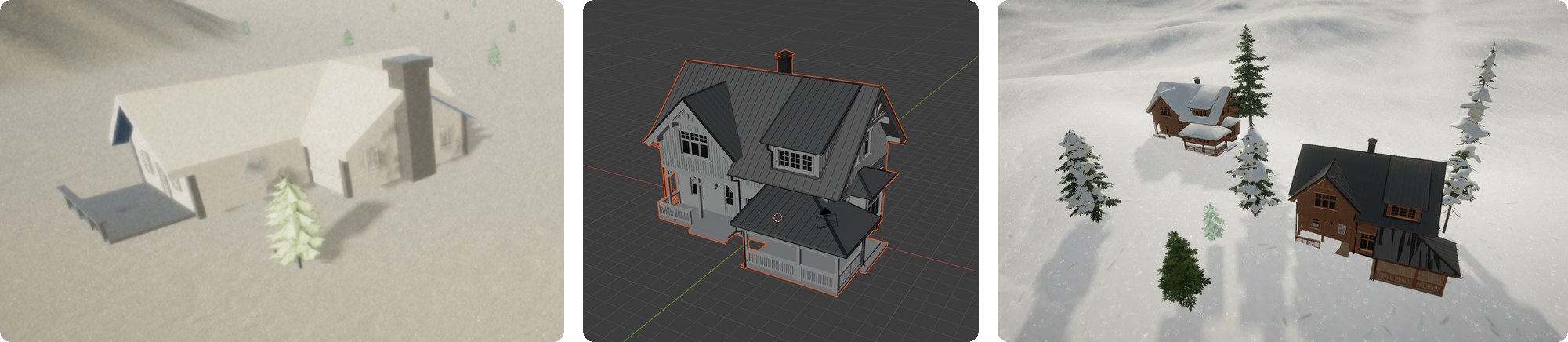
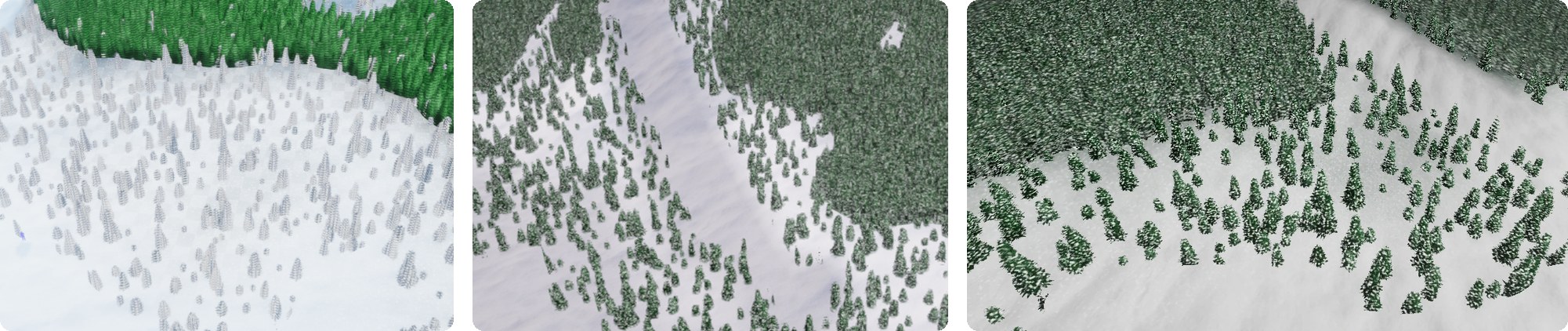
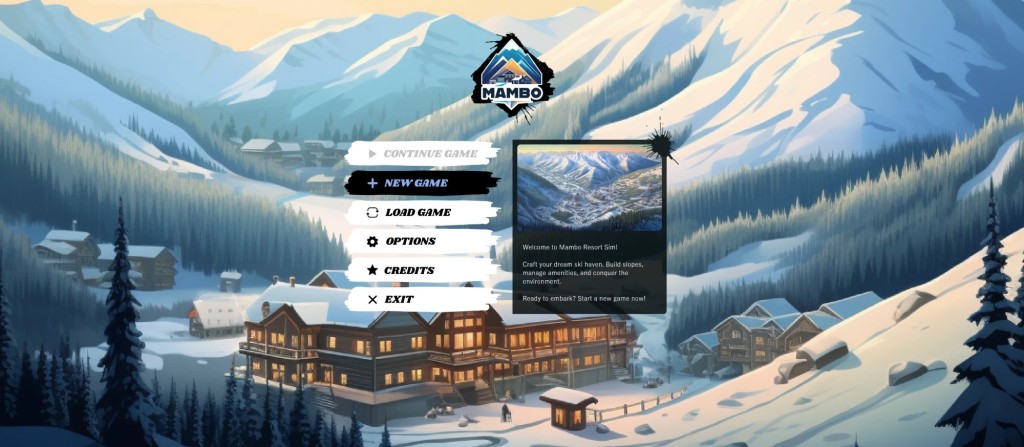
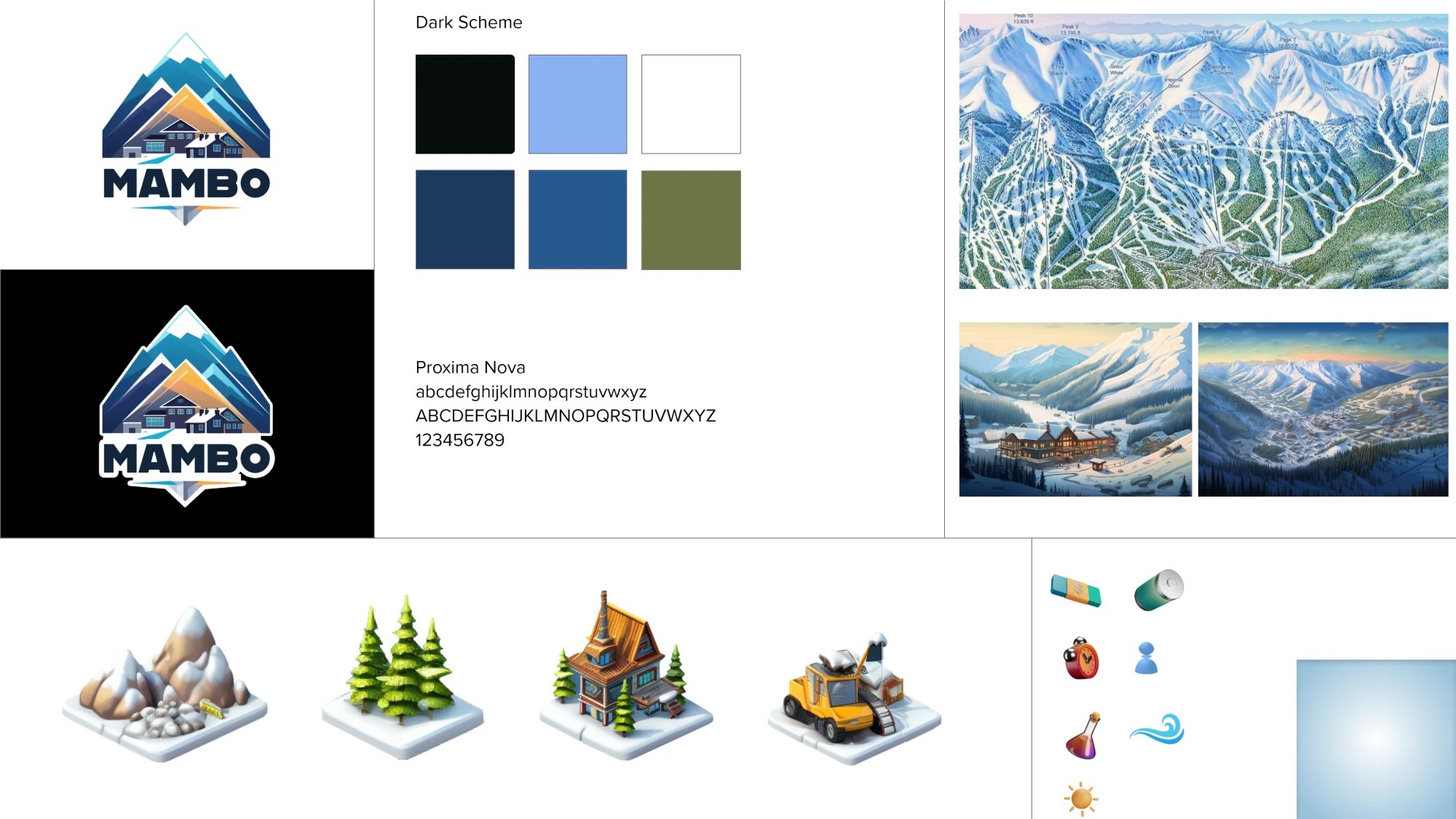
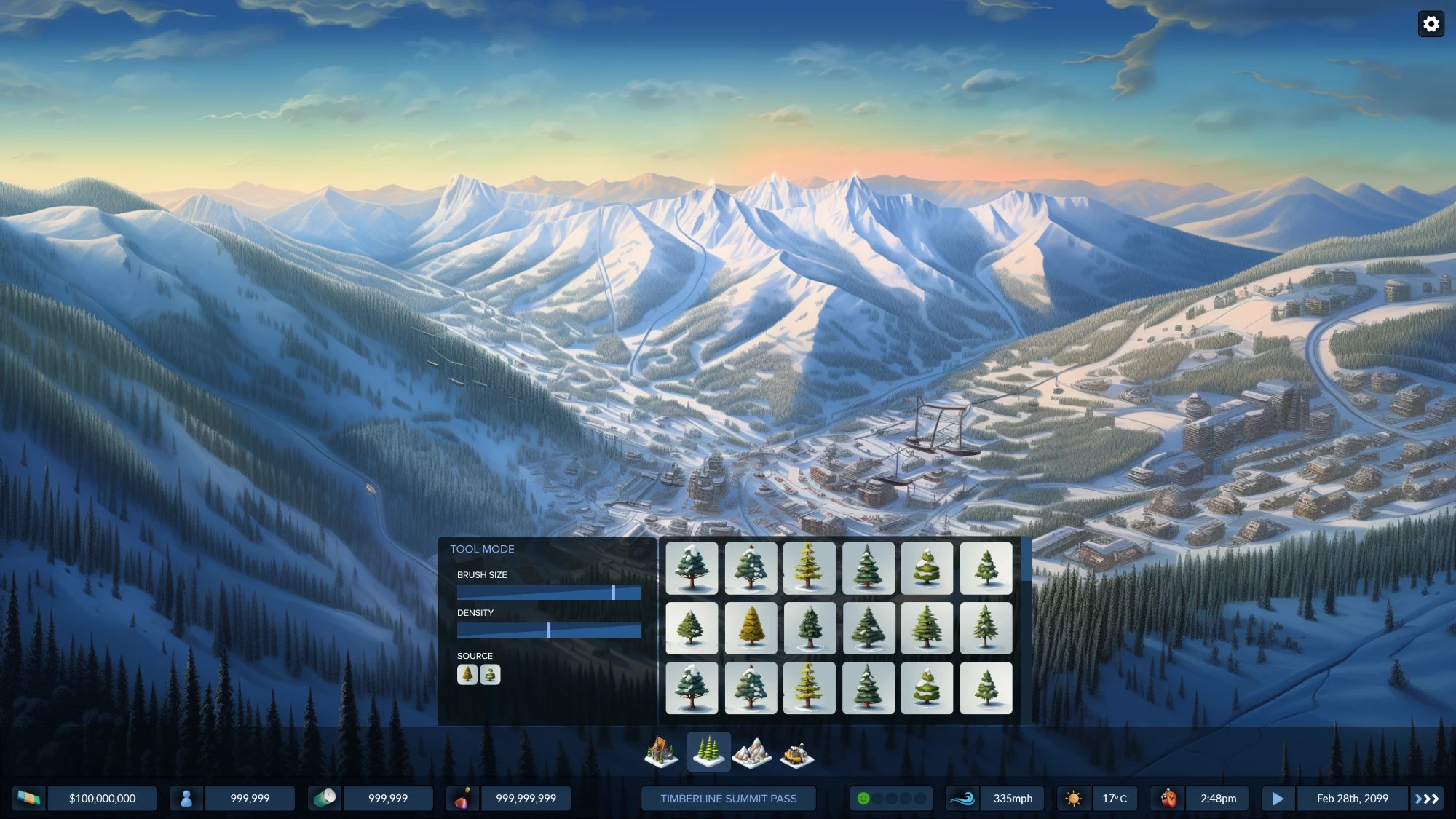
For an independent game founder, we developed a playable ski resort builder prototype in Unity over 13 months. Players sculpt a mountain, cut runs, build lifts and lodges, and watch AI skiers use what they made. Read the ski resort game case study.

Unity Project Takeovers

Taking over an existing Unity project.

A Unity project can be difficult to continue when the original team is no longer available, the target headset has changed or package updates have disrupted the build. We begin by checking the Unity version, packages, source assets, build process and target hardware. That tells us where to start and which changes can wait. Our Unity development services cover inherited games, training experiences and interactive products as well as new builds.

VR porting
  1. 01

    Inspect the project

    Establish the engine version, package dependencies, assets, build configuration and device targets.

  2. 02

    Restore a reliable build

    Reproduce the current errors and fix the issues preventing a dependable test build.

  3. 03

    Separate repairs from improvements

    Identify what must change now for stability and what belongs in later production work.

  4. 04

    Upgrade and port as needed

    Continue with version upgrades, performance passes, compatibility work, VR porting or ongoing support.

Ski resort game style board with logo, color palette, typeface, painted mountain art and isometric building icons
Choosing an Engine

Unity, Unreal or Godot: choosing the engine.

Unity is a strong fit for commercial, mobile and VR projects where the development workflow and target platforms support it. Unreal is an option where the fidelity requirement justifies its production costs. Godot can fit 2D games and more contained experiences. We also consider asset workflows, device targets and the next likely platform.

We plan for cross-platform needs early, so later work can adapt the existing architecture to another target. Licensing terms are checked at scoping because they change and they affect the budget. Our Unity vs Unreal cost analysis compares the two engines in real project scenarios, and our Unity licensing article explains the licensing changes.

Getting Started

Start with a playable prototype.

Before production expands, we build a playable prototype in two to four weeks. It tests the part that decides whether the game works, such as movement, interaction or performance on the target hardware, while the direction can still change.

Playable prototype

Two to four weeks. We define one mechanic or technical unknown, build and test it, and close with a written go/no-go recommendation and a production estimate.

After the prototype
  • Complete game production

    The full game on your target platforms, built by the team that made the prototype.

    Broom Magic Mayhem case study
  • Co-development within your team

    We own a defined system inside your production, such as multiplayer, VR interaction, tooling or performance.

    Hire a Unity team
  • Unity project takeover and upgrades

    We restore a reliable build first, then plan version upgrades, performance passes and porting.

    How a takeover works
FAQs

Questions about Unity and game development.

Can we hire Unity developers to join our team?

Yes. We can join a team for specific systems such as multiplayer, VR interactions, performance or development tooling. We also deliver complete projects. You work with the people producing and testing the code.

Do you build complete games?

Yes. Our work includes complete titles and game-like interactive projects. Broom Magic Mayhem was designed and developed with TinyByte Studios for Meta Quest and is available in the Quest Store.

Which platforms do you build for?

Our development targets include Meta Quest and other VR headsets, PC, browsers using WebXR or HTML5, iOS and Android. Engine and architecture choices take current hardware and future platform possibilities into account.

Should we use Unity or Unreal?

The right choice depends on visual fidelity, target hardware, team workflow and production cost. Unity is often useful for mobile and VR work; Unreal can make sense when the project calls for its rendering capabilities. We cover the tradeoffs in our Unity vs Unreal cost analysis.

What should we know about Unity licensing costs?

Licensing terms can affect a project’s budget and are confirmed during scoping. Our Unity licensing article discusses the licensing landscape; we verify current terms for the actual project.

Can you take over an existing Unity project?

Yes. We begin with its Unity version, packages, source assets, build steps and hardware targets. After reproducing problems, we identify the essential repairs and scope upgrades, optimization or porting work.

Do you build VR games?

Yes. VR game development involves mechanics, comfort, rendering performance and headset interaction. For Broom Magic Mayhem, we built custom broom flight, multiplayer gameplay and graphics tuned for standalone Quest headsets. For broader headset applications, see VR development.

How much does game development cost?

Cost depends on the game mechanics, content, multiplayer features, platforms and production scope. We usually start with a playable prototype when the core mechanic needs proving. That produces a written go/no-go and a production estimate before a full build.

Can you work white-label and under an NDA?

Yes. We work as a white-label development partner and sign your NDA. We can take responsibility for a defined system inside an existing production.

What do we receive when the project is finished?

You receive the completed game or interactive product. We can hand over the game and its code on request and discuss continuing updates, new platforms or support.

Work With Us

What's next should be worth building.

New products. Better systems. More compelling experiences. Whatever the opportunity, we bring the thinking, creativity, and technical expertise to make it real.

Start a Conversation 4520 SE Belmont St, Suite 300
Portland, Oregon