Virtual Reality Development
VR development for training, product experiences, and immersive marketing: Quest, Vision Pro, and WebXR, from a team whose longest-running VR system has been in production five-plus years.
Companies we've collaborated with
VR Development Services That Ship
SLIDEFACTORY is a VR development company in Portland, Oregon, building training simulations, product experiences, and immersive marketing for clients across the US.
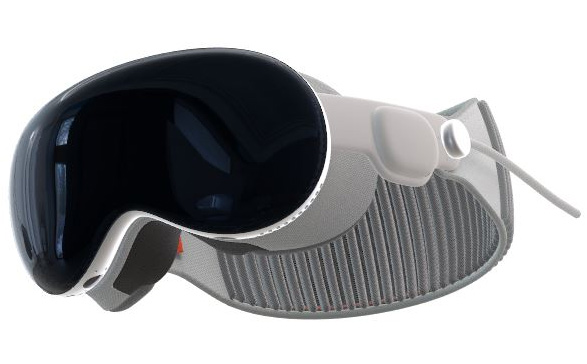
We develop for Meta Quest, Apple Vision Pro, and the browser via WebXR, with Unity and Unreal under the hood, and the longest-running system we’ve built has been in production use for over five years.
Four kinds of VR work we ship
Four kinds of work make up most of the practice.
- Training and simulation, the deepest part of our portfolio.
- Product demonstrations and marketing experiences, letting customers walk around something that’s too big, too far away, or not built yet.
- Multi-user environments, shared virtual spaces where distributed teams meet, train, and collaborate in real time.
- And location-based and free-roam VR, the physically active end of the medium, like the free-roam platform we built with LimitlessVR.
The common thread is that each one shipped to real users. VR has a demo problem (impressive pilots that never leave the conference booth) and the way we scope projects is designed specifically to avoid adding to that pile.
What We Offer
VR Training & Digital Twins
Procedure-accurate training on virtual replicas of real equipment: AI-narrated modules, guided and unguided modes, multi-user sessions across continents.
Product Demos & Marketing Experiences
Let customers walk around what is too big, too remote, or not built yet, for trade shows, showrooms, and campaigns that need more than a video.
Multi-User & Collaborative Environments
Shared virtual spaces where distributed teams meet, train, and review 3D work together in real time.
WebXR & Browser-Based VR
VR delivered through the browser: no app store, no device management, and a flat-screen fallback for stakeholders without headsets.
Location-Based & Free-Roam VR
The physically active end of the medium, like the free-roam platform we built with LimitlessVR.
AR & Mixed-Reality Activations
Projects that blend physical and digital, from public AR activations to mixed-reality passthrough experiences, handled by the same team.
VR training development
Training is where VR most reliably earns its budget: it’s repeatable, measurable, safe, and it works the same in every region you operate in. It’s also the work we can speak about most concretely, because we’ve been building and evolving a production VR training platform for more than five years.
Our VR training system for hazardous equipment maintenance was built for a technology client based in Japan whose procedures were too dangerous and too expensive to practice on live equipment. The initial system shipped in three months. Five-plus years of continuous collaboration have grown it into the platform below.
Digital twins of real equipment
Virtual replicas faithful enough that disassembly and maintenance procedures transfer to the real machine.
AI-narrated instruction
Voice replication keeps tutorial narration consistent across every module and update.
Multi-user sessions across continents
Trainees on different continents practice together in the same virtual room, in real time.
Guided and unguided modes
Step-by-step instruction for new trainees, open-ended scenarios that test judgment for experienced ones.
A configurable environment
The client adds and modifies training modules as equipment and procedures change.
That project shapes how we approach every training engagement: document the real procedure first (we spent days onsite with the actual tools), build one module well, then expand. If you’re evaluating VR for safety, equipment, or procedural training, including healthcare applications. This is the part of our portfolio to interrogate.
Why work with SLIDEFACTORY on VR?
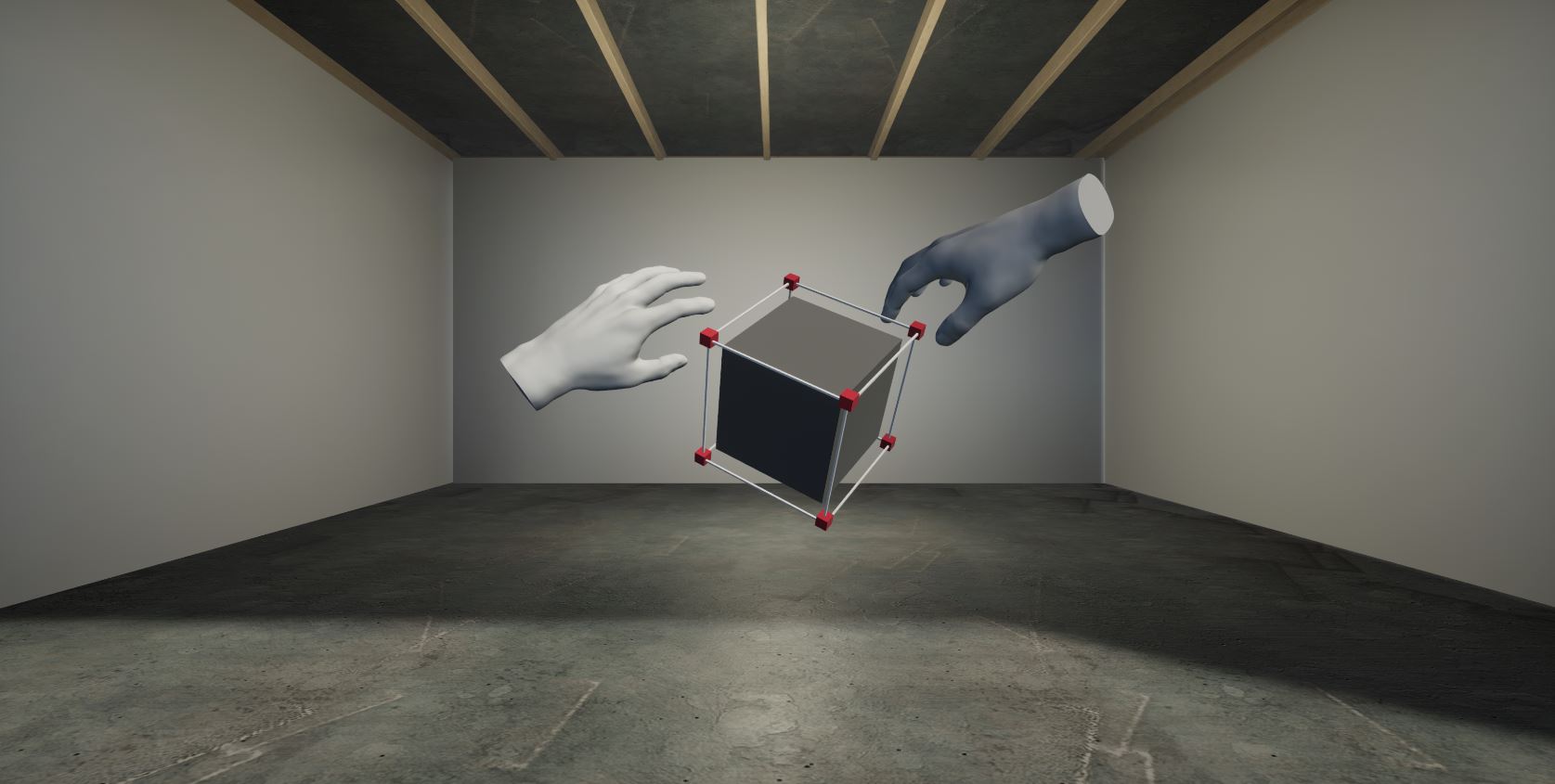
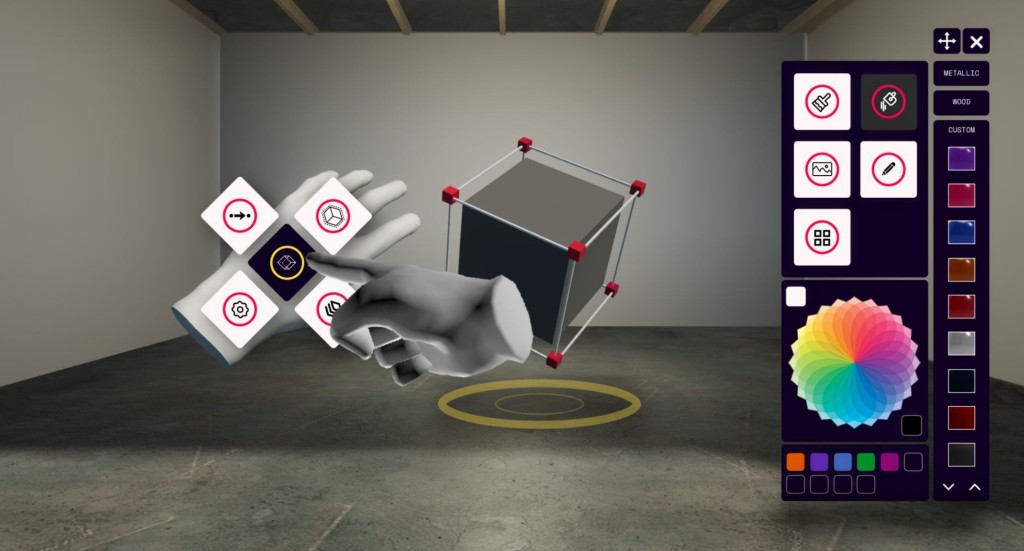
We’ve been building software since 2018, and our VR work spans the medium’s practical range: the five-year training platform, the LimitlessVR free-roam platform, VR World Builder, and game work like Broom: Magic Mayhem. We’re a development shop first (3D art, engineering, and deployment in-house) so a VR project doesn’t get split across vendors.
If you’re in the area, we’re a Portland VR agency with an office on SE Belmont, and we’re happy to demo headsets in person. Most of our VR clients aren’t local, though, training deployments in particular tend to be national or international, and the multi-user work we ship is built for exactly that.
Have a training problem, a product that’s hard to demo, or a VR idea you want a straight assessment of? Get in touch, the first conversation costs nothing.
Backed by 35+ years of combined expertise, we bring proven experience to every project.
Trusted by over 70 clients in 6 years of delivering cutting-edge digital solutions.
Related Solutions
Augmented Reality & Virtual Reality Experiences
Custom AR and VR Development for Training, Simulation, and Storytelling. Augmented Reality & Virtual Reality Experiences.
Explore AR/ VR Solutions →
Unity Development
Expert Unity development for immersive games, training programs, and dynamic marketing campaigns.
Explore Unity Dev →
Game Development
Custom game development for desktop, mobile, VR, and web.
Explore Game Dev →Selected Projects
Frequently Asked Questions
How much does VR development cost?
Four stages, each with a decision point:
- Document the real thing. For training and simulation, we start where the work actually happens, onsite where possible, with the real tools and the people who use them. The VR is only as good as this step.
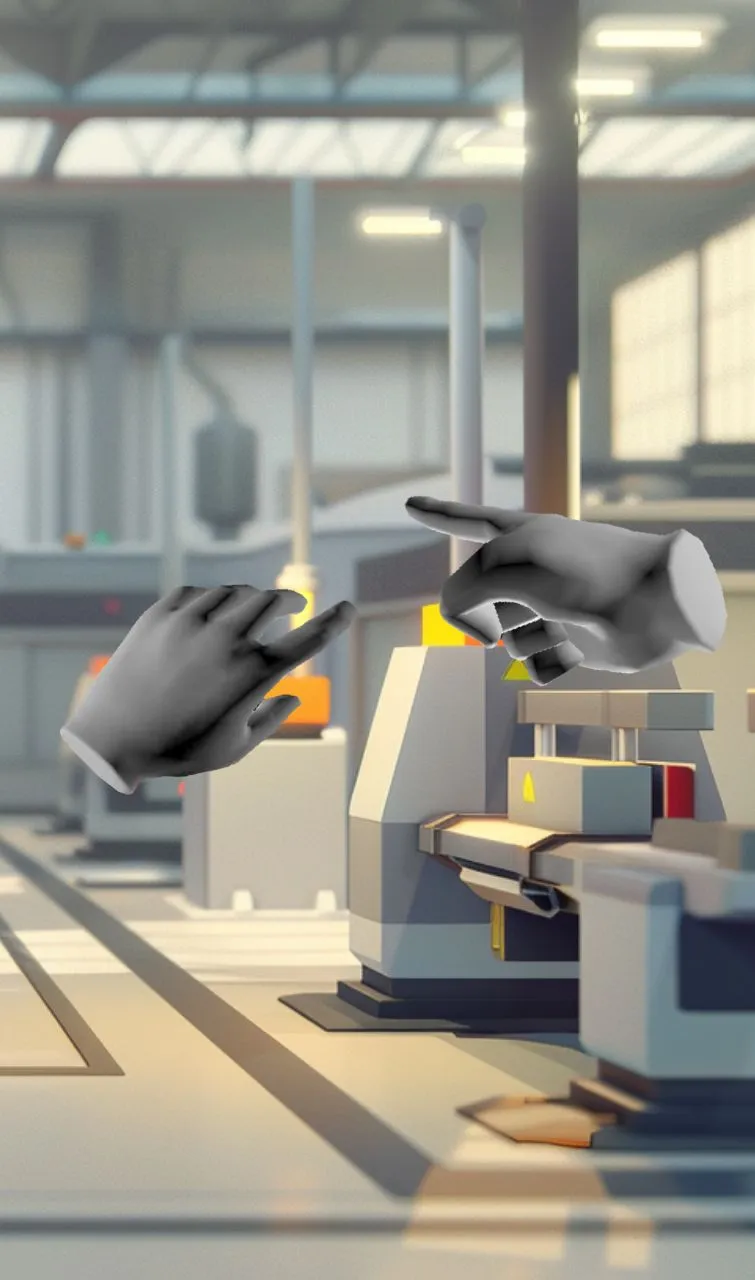
- Prototype the interaction. Before environments get expensive, we prove the core interaction on hardware: does the procedure, demo, or experience actually work in a headset, with real hands?
- Build one module well. A complete, polished slice (one training module, one product experience) that real users can test and stakeholders can judge.
- Deploy, measure, expand. Roll out to your hardware fleet or the browser, watch how people actually use it, and grow the platform from evidence rather than assumptions.
It’s a deliberately conservative process for a medium with a hype problem. The projects that survive five years in production are the ones that were scoped like this at the start.
How long does a VR project take?
A scoped first module or experience typically comes together in a few months, the initial version of our hazardous-equipment training system shipped in three. Larger platforms grow from there; that same system has been evolving in production for more than five years.
Do you build VR training applications?
Yes. It’s the deepest part of our VR practice. We build digital twins of real equipment, AI-narrated instruction, and multi-user training sessions that connect trainees across locations. Our longest-running training platform supports hazardous-equipment maintenance for an international client and has been in continuous use and development for over five years.
Which VR headsets do you develop for?
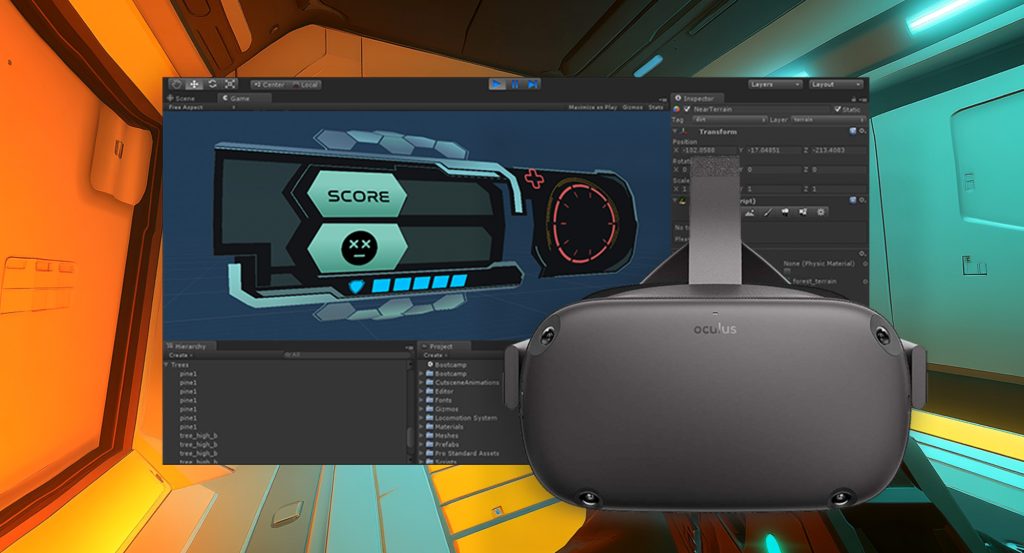
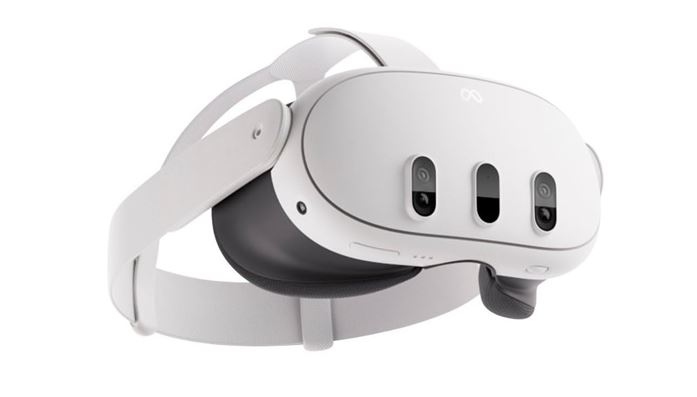
Meta Quest is the default for most deployments, self-contained, affordable at fleet scale, and familiar to IT departments. Apple Vision Pro is its own practice here; see our Vision Pro development page for that work. WebXR matters more than most buyers expect: browser-delivered VR means no app store, no device management, and a fallback that works on a flat screen for stakeholders without headsets. We also build for enterprise hardware (HoloLens, Pico, Vive) when a deployment calls for it, and we work in Unity, Unreal Engine, and BabylonJS depending on the fidelity and distribution the project needs.
If your project blends physical and digital: AR activations like the Portland Holiday Hunt scavenger hunt we built for downtown Portland, or mixed-reality passthrough experiences. That sits with the same team; see our AR and VR solutions overview.
Can VR run in a web browser?
Yes. WebXR delivers real VR through the browser on Quest and other headsets (no app store, no sideloading, no device-management overhead) and the same experience can fall back to a flat screen for anyone without a headset. For distributed teams and public-facing experiences, it’s often the most practical deployment path.