Extending a virtual world beyond the desktop
Decentraland lets people explore digital environments and publish experiences on virtual land they own. Although those environments are three-dimensional, accessing the world and deploying new scenes traditionally involved a desktop browser and separate publishing tools.
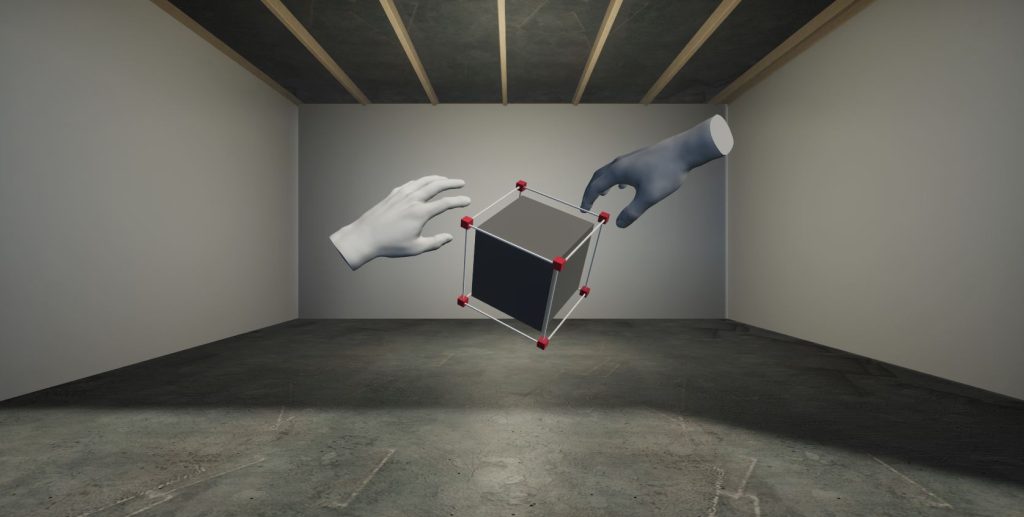
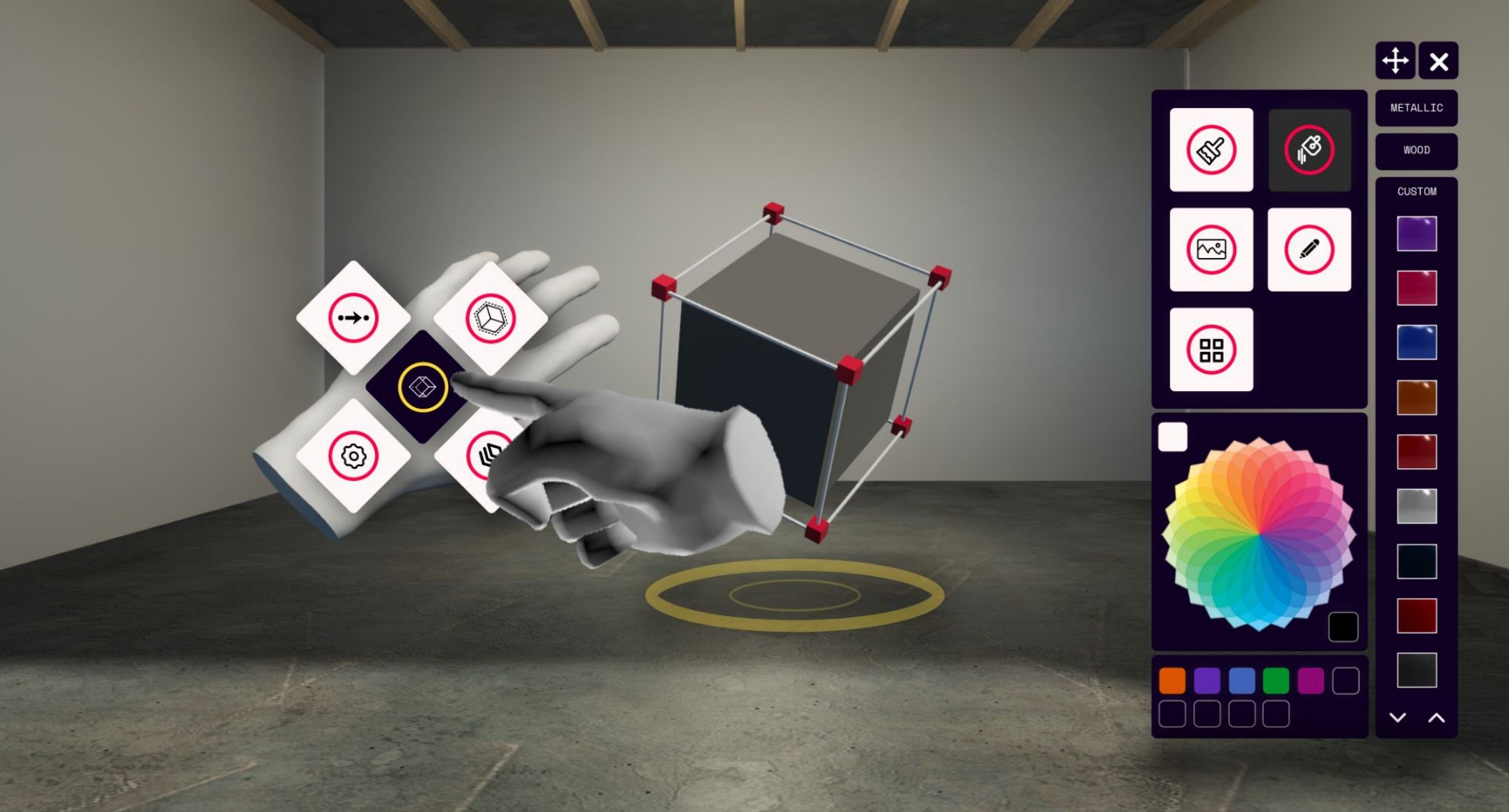
Virtual reality offered another way to use the platform. A person could explore Decentraland from inside a headset rather than through a browser. And with a creation tool such as Byldr, which lets people build virtual environments inside VR, there was an opportunity to publish new scenes without taking the headset off. Both ideas required connecting systems originally built around different interfaces and workflows.
Working alongside a partner agency on a Decentraland engagement, SLIDEFACTORY contributed to two related initiatives. We developed the Byldr-to-Decentraland publishing integration, including scene conversion and wallet-supported deployment, and worked on adapting Decentraland’s own technology for standalone VR headsets. Byldr supplied the VR creation workflow that the Decentraland integration needed to support.
Connecting a wallet without a keyboard
A Decentraland parcel belongs to a wallet, and publishing a new scene requires that wallet’s signature. A headset doesn’t have the browser extension normally used to authorize a deployment, and entering wallet recovery details in VR wasn’t an appropriate alternative.
We worked on a flow that let the user approve through a wallet app on a phone while the headset remained in the publishing experience. Early prototypes used an in-headset QR code; later work moved toward a short connection code. We extended the Byldr user model with connection status, built authenticated connection endpoints and used WebSockets to update the headset once phone-side authorization was complete. The Unity integration used Nethereum and WalletConnect to handle signed deployments, including resolving incompatible library versions.
Turning a Byldr scene into a Decentraland scene
Authorization was only half of publishing. Byldr’s creations and Decentraland’s scene format described their content differently, so we developed a conversion service. It retrieved the models from Byldr’s portal, translated the scene description into Decentraland’s format, generated a thumbnail and packaged the files for deployment.
The workflow also accepted uploaded ZIP archives and individual 3D models, supported by an in-headset file browser that could read from the headset or a connected computer. That allowed the Decentraland publishing flow to handle content from Byldr as well as externally prepared assets.
Giving creators control over publishing
Because deploying a new scene could overwrite an existing parcel, the publishing flow needed an explicit final check. We added an explicit overwrite warning and confirmation, status and progress feedback, validation messages for files that couldn’t be processed and removal of temporary server files after each deployment.
The work was tested end to end against a test deployment server, with additional endpoint stress tests, API documentation and recorded walkthroughs shared with the collaborating team.
Taking Decentraland beyond the browser
The second initiative concerned visiting Decentraland rather than publishing into it. Between June and September 2022, we investigated the existing Unity renderer and kernel, produced builds for a standalone headset and addressed Android socket and local-certificate issues. We also tuned shaders and rendering settings for headset performance.
Decentraland VR later appeared on SideQuest in November 2022, following the development period covered here. Our recorded work through September concerned the integration and headset client engineering carried out alongside the partner agency.
Two ways to experience Decentraland in VR
The Decentraland engagement addressed both ends of a creative workflow. One part let a Byldr creator connect a wallet and prepare a scene for publication to Decentraland land without leaving the headset. The other brought Decentraland’s Unity-based world closer to running directly on standalone VR hardware through renderer, networking and performance work.
Working alongside a partner agency, we contributed about 430 development hours from March to September 2022. Decentraland VR subsequently appeared on SideQuest in November, after the period covered by our work. The two initiatives tackled different parts of the same opportunity: letting people move more directly between creating a place in VR, publishing it to Decentraland and experiencing that world from within a headset.