Skip to content

Video & Animation

3D Animation & Rendering Services

Make the product visible before it exists. We create 3D product renders, product and character animation, and accurate models of real equipment from drawings, reference material or unfinished samples. The same assets can support marketing, video and interactive experiences.

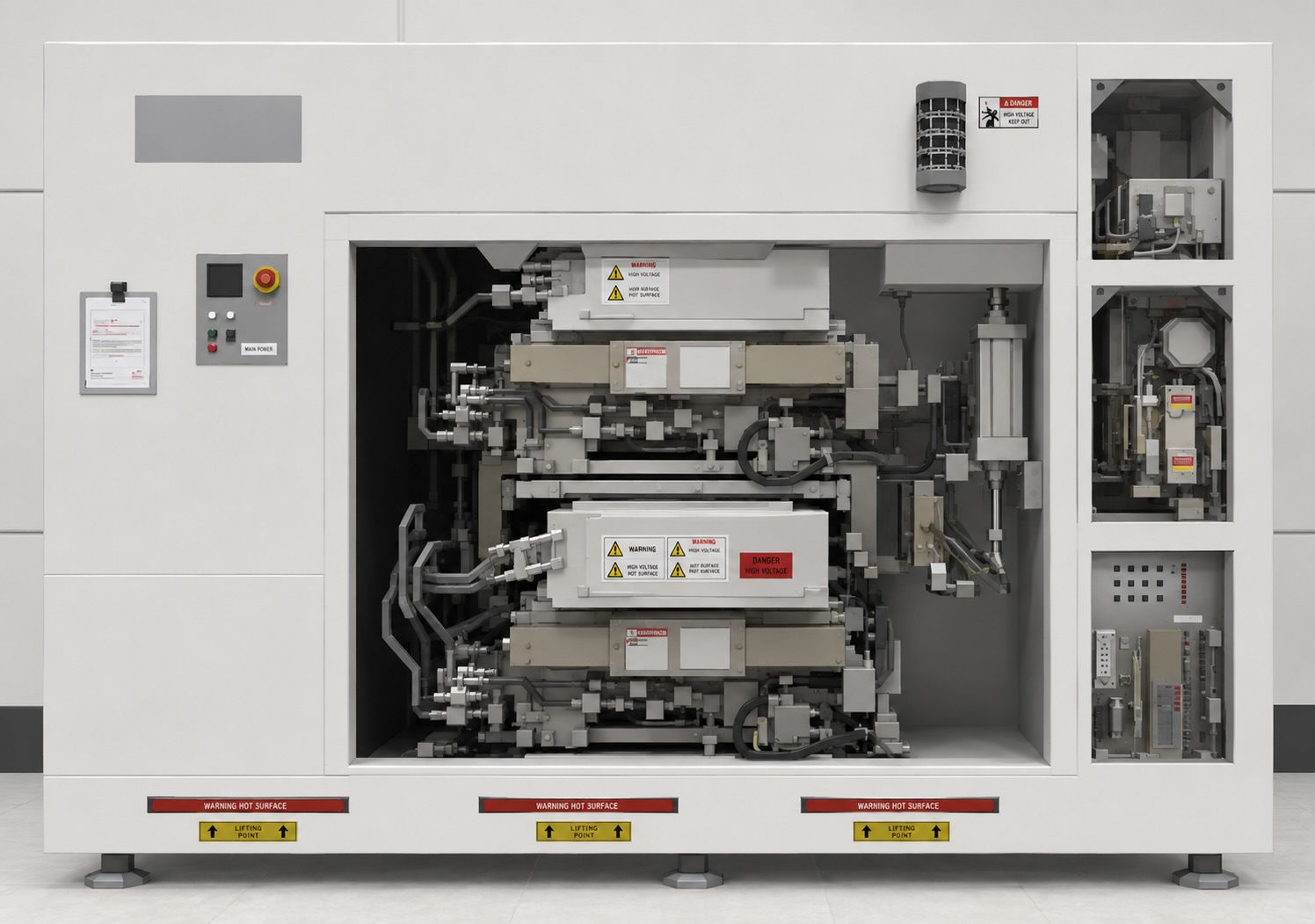
Render of Gigaphoton laser equipment with its internal components exposed
Gigaphoton · Laser equipment render
Clients

Companies we’ve worked with.

What We Render and Animate

3D animation and rendering services we offer.

Product, character and equipment 3D, made from CAD files, samples, drawings or reference photos.

3D Animation Services

From 3D model to finished render.

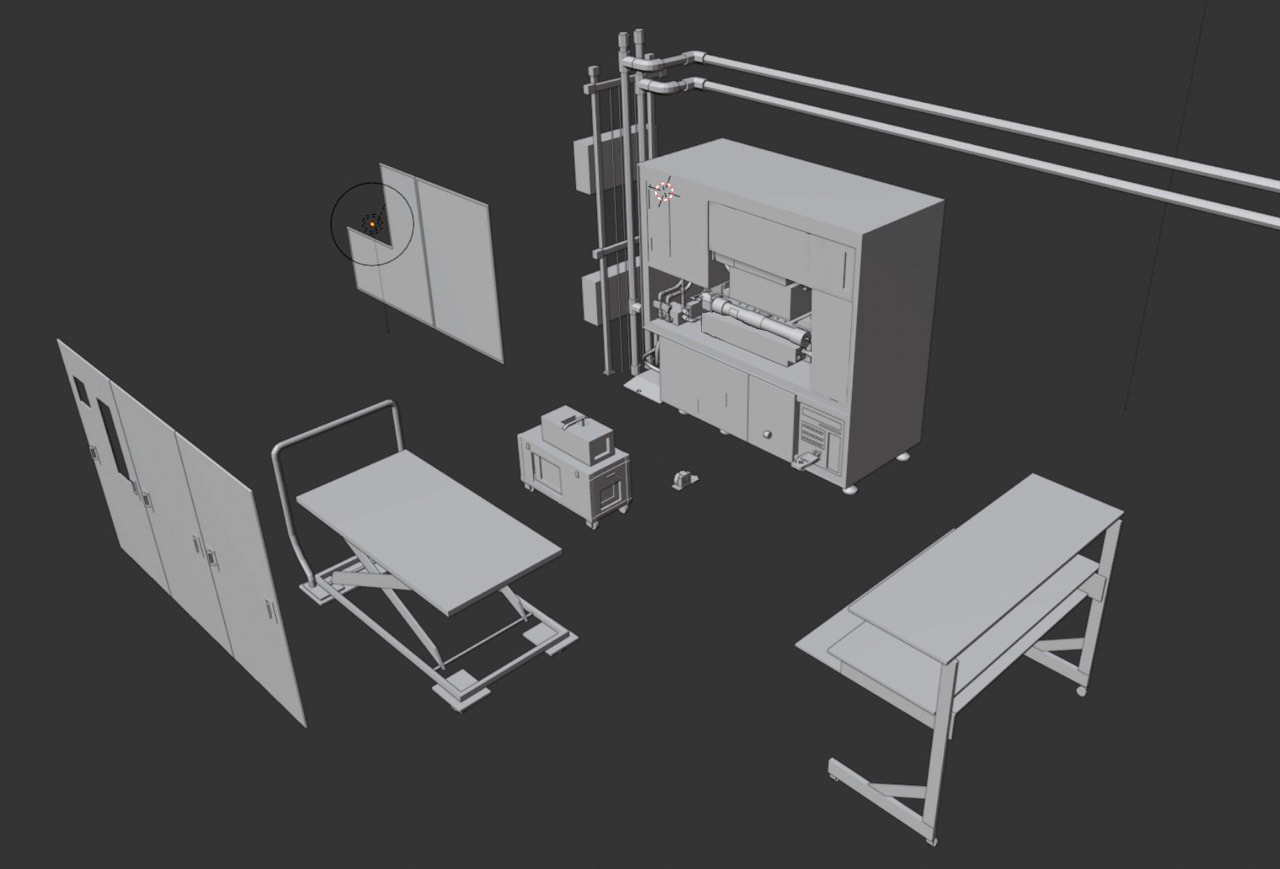
Our 3D animation services turn CAD files, product samples, drawings or reference photos into models that we light, animate and render. As a 3D animation studio on the same team as our Unity, AR and VR developers, we build each model to the accuracy its use needs: a marketing image, an animation or a training asset. Shown here: untextured models of semiconductor equipment for Gigaphoton’s VR maintenance training, and a finished booth render from Carnival of Truth.

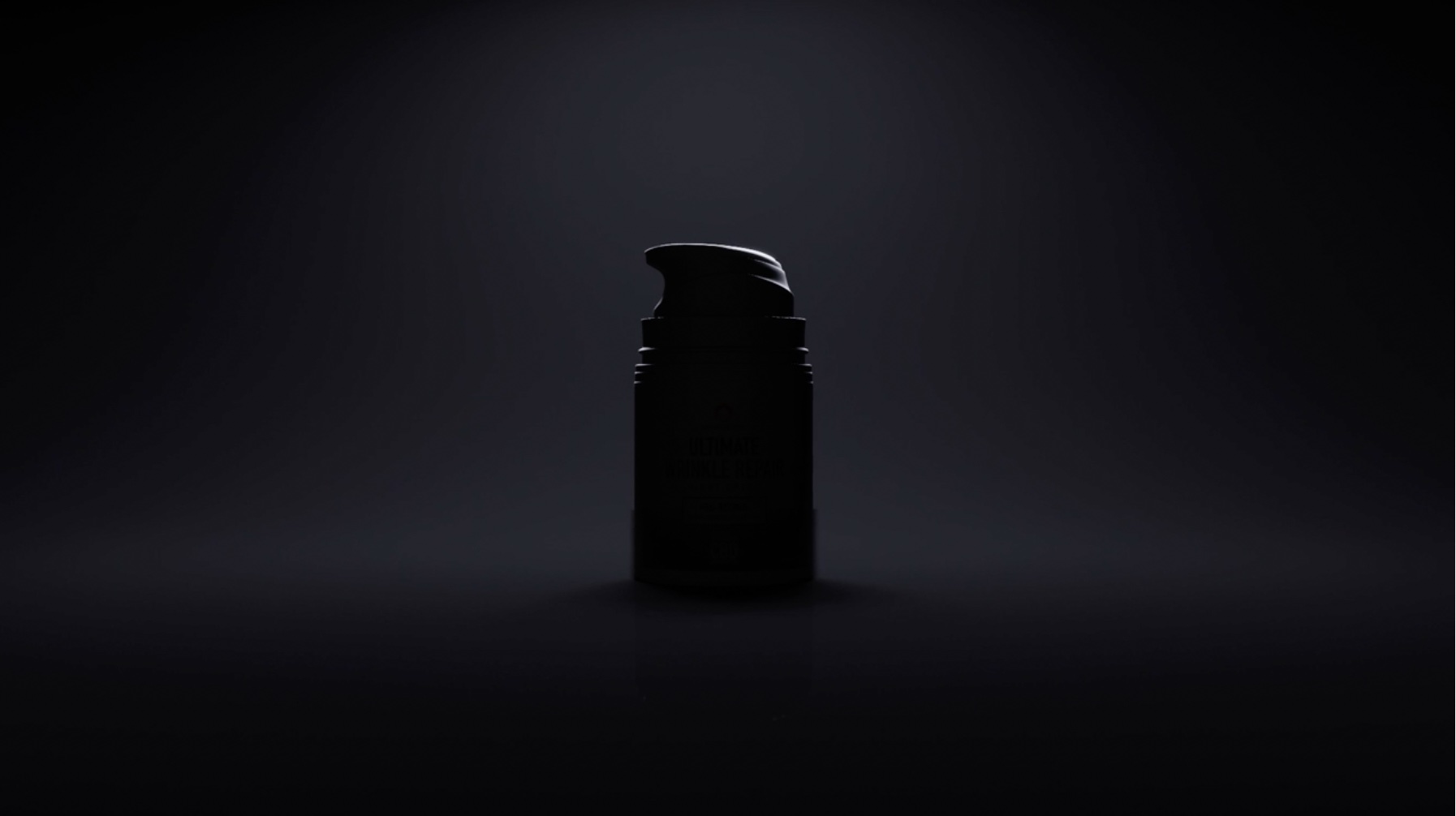
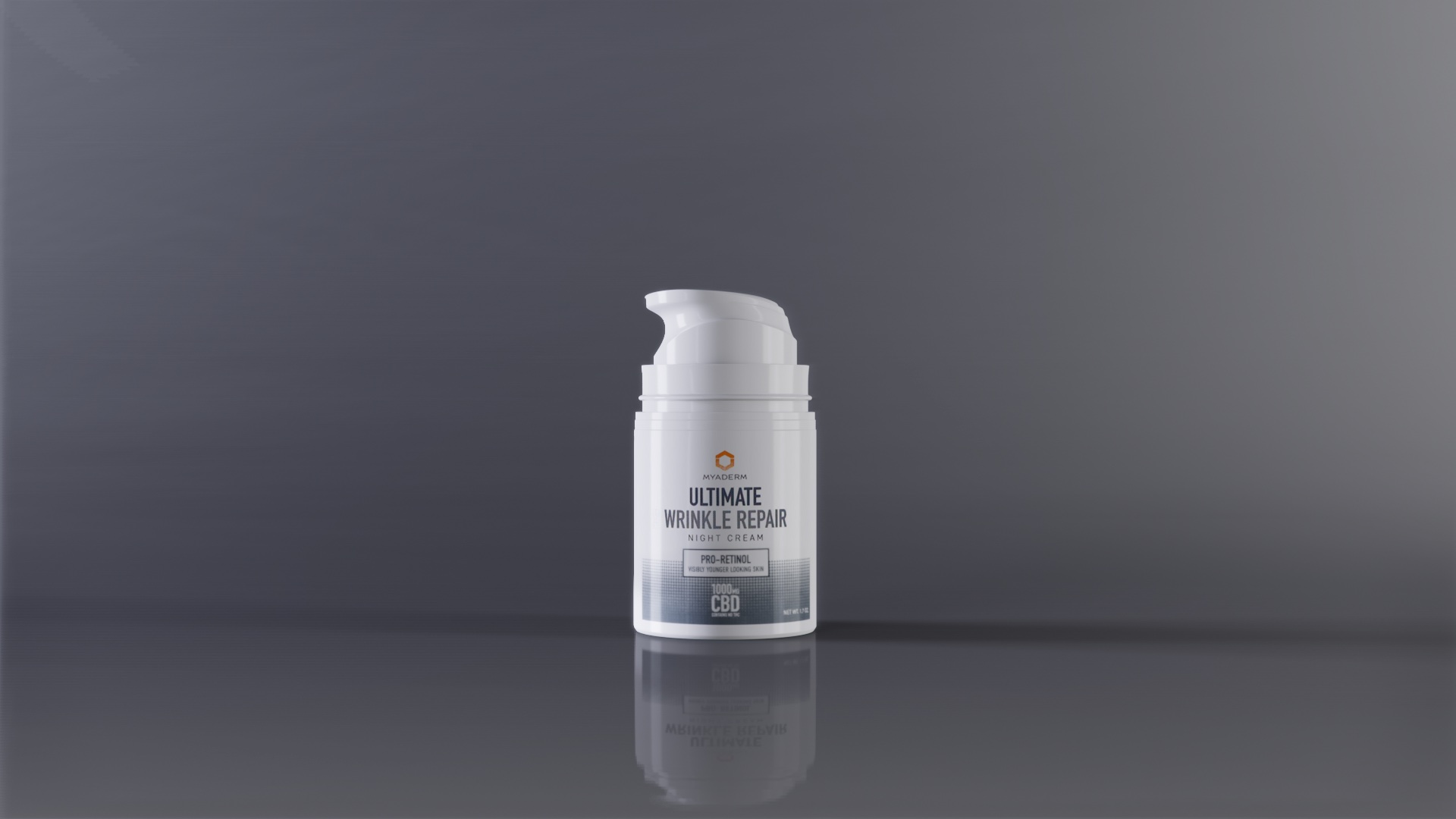
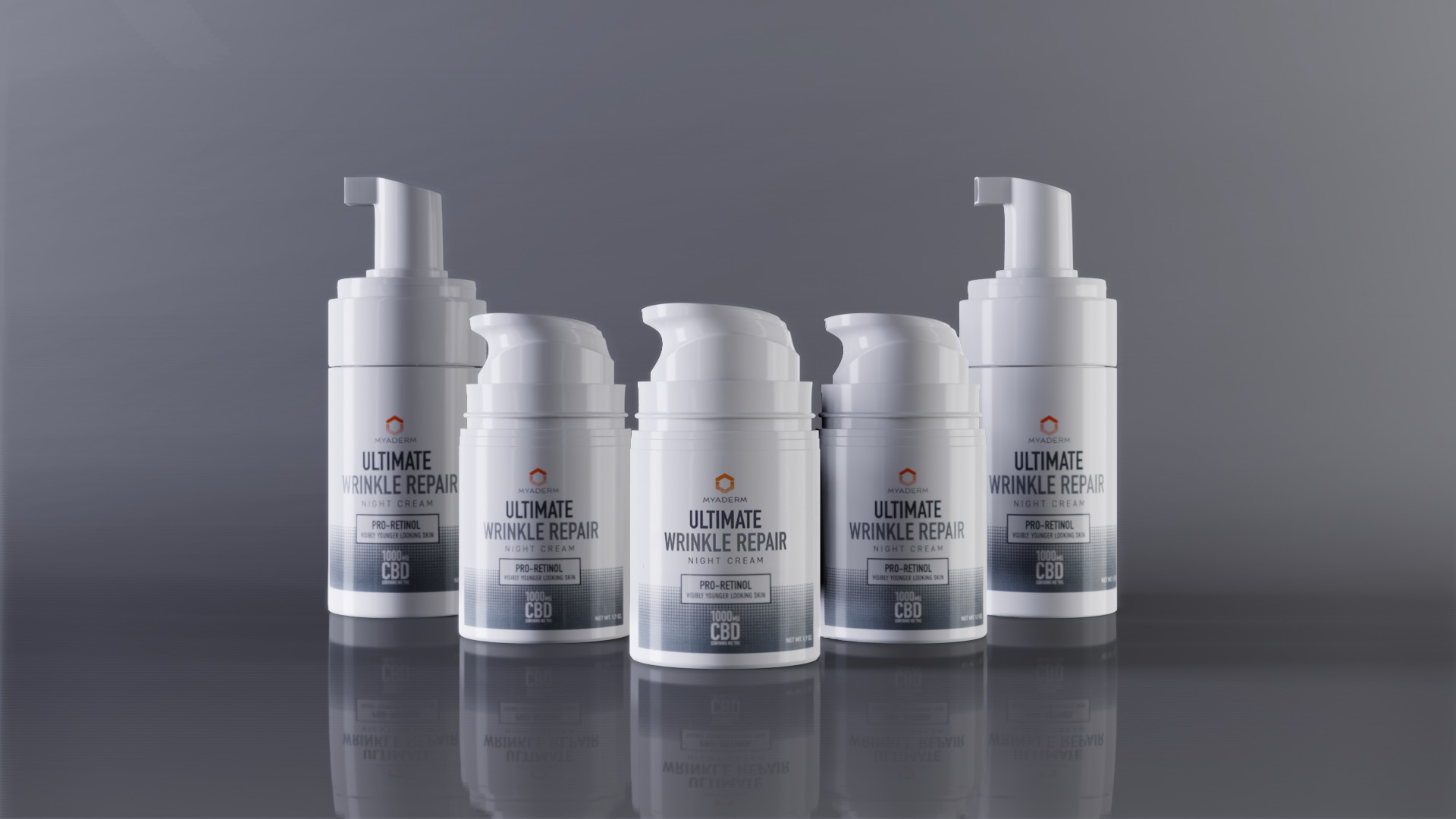
Myaderm skin hydration jar from the connected-TV commercial
3D Product Rendering

3D product rendering from CAD files, drawings or early samples.

Once a product is modeled, new camera angles, colorways, material finishes, exploded views and animated shots all come from the same model, with no studio day and no shipping samples.

For Myaderm, we storyboarded which close-ups would be rendered and which would be filmed, then modeled the product from early samples and unfinished label artwork. When the packaging changed, we updated the model and rendered new shots. The same model supplied high-resolution stills for print and retail. Read the Myaderm case study.

  • Products that are not made yet. Launch renders from CAD files, drawings or early samples while manufacturing is still under way.
  • Every colorway and variant. New colors, finishes and angles come from one model instead of another shoot.
  • Hard-to-photograph surfaces. Reflective, translucent or very small products, and exploded views a camera cannot capture.
  • A second use for the model. The same geometry can become a 360-degree spin, a 3D product animation, an AR product view or a training asset, with preparation for each platform.
Process

How a 3D animation or rendering project runs.

  1. 01

    Collect the inputs

    We review CAD files, samples, drawings or reference photography, plus the planned shots and where they will run.

  2. 02

    Build the model

    We model to the level of detail the project needs. A marketing close-up and an interactive equipment asset have different requirements.

  3. 03

    Set materials and lighting

    Surface finishes, reflections, transparency and lighting are developed against references and approved direction.

  4. 04

    Review the scenes

    We prepare the agreed views or movement, take feedback against the approved shot list and refine the result.

  5. 05

    Deliver the assets

    We render or package the deliverables in the specifications required for the intended channels.

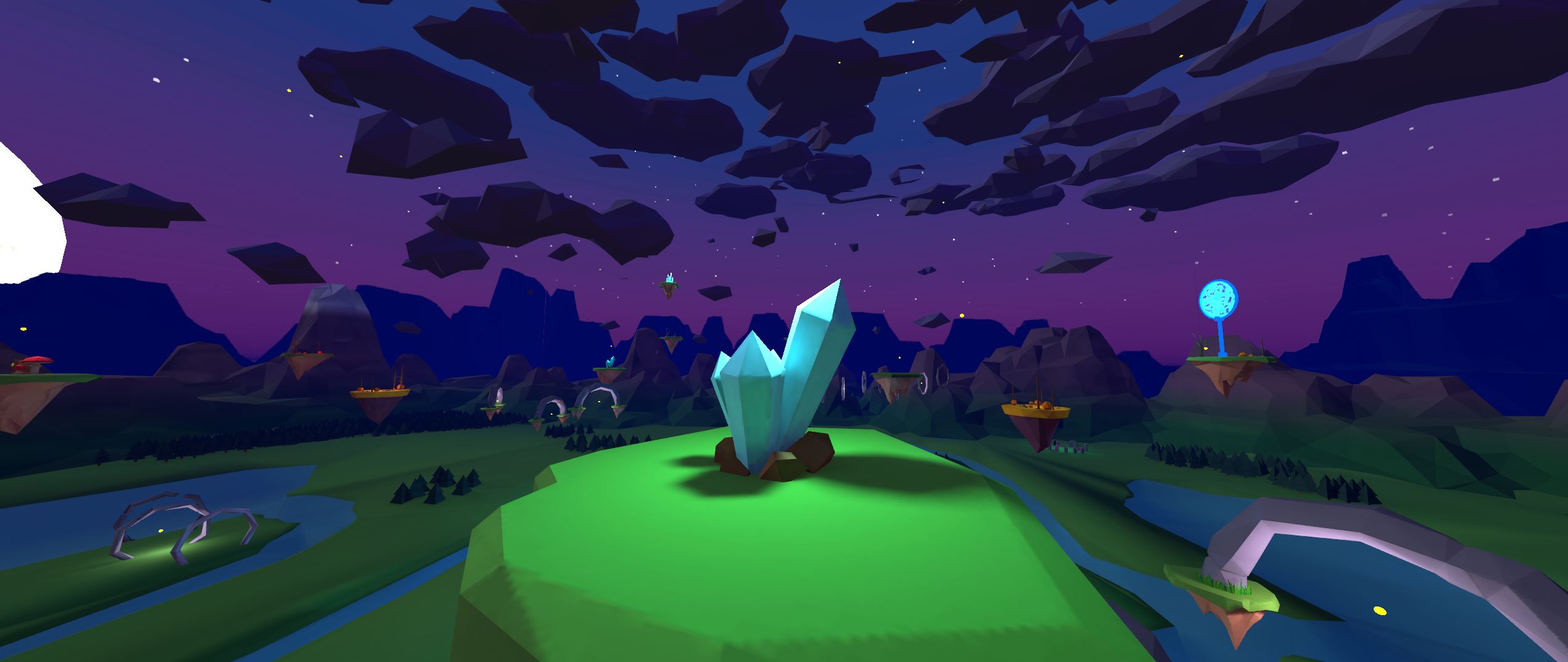
3D carnival booth model from the Carnival of Truth AR campaign
Deliverables

Renders, animation and real-time 3D assets we deliver.

Outputs, file formats and specifications are agreed during scoping, based on where each asset will run. The carnival booth pictured is one of the lightweight real-time assets we built in Blender for Carnival of Truth, a browser-based AR campaign about the risks of vaping and smoking.

  • High-resolution stills. Product renders for websites, retail, campaign visuals and print.
  • Finished animation. Product or character motion delivered for its final screen, or as agreed editable elements.
  • Real-time 3D assets. Models prepared for Unity, AR, VR or games.
  • Channel-specific specs. Dimensions, resolution, animation outputs and file requirements are set during scoping.
Getting Started

How a 3D project estimate works.

We review your existing files and a short brief, define the scenes and outputs, then send a written estimate.

Start a Conversation
  • A set of product renders

    Stills of one product or a product line for a launch, a retailer or an ad campaign, with angles and colorways agreed up front.

  • A product or character animation

    A sequence that shows how a product opens, moves or works, or a character animated for a campaign or an interactive product.

  • A library of real-time assets

    Models prepared for Unity, AR or VR, built to be used inside an app, a game or a headset.

FAQs

Questions about 3D animation and rendering.

What affects the cost of 3D animation services?

Complexity of the model, level of detail, materials, animation needs, number of scenes and variants all affect the estimate. A static product image involves different work from a detailed character performance or an interactive equipment model. We provide a written estimate once the files and intended outputs are clear.

What should we send you first?

Send product drawings, CAD files, unfinished or finished samples, reference photography and any existing visual standards. A rough shot list and examples of the intended style help us define the right production path.

Can you render a product that hasn't been manufactured?

Yes. 3D product rendering services can create marketing images from reference files, drawings and unfinished samples. For Myaderm, we made product artwork from original samples that were still in development.

Should we commission stills, animation or real-time assets?

A 3D animation company can produce stills for product pages and print as well as moving images for digital campaigns. We scope each output separately. Animation shows movement and changes over time. Real-time assets are prepared for user interaction inside a game, AR or VR application. A project can use the same original model across several outputs after appropriate optimization.

What files and formats do you deliver?

We agree on final image dimensions, video specifications and 3D requirements based on where the assets will be used. High-resolution rendered stills, finished animation and real-time assets are among the outputs we produce. Specific editable file formats are established before production.

How long does a 3D project take?

Timing depends on asset complexity, what source material is available, review rounds and the number of final deliverables. We set the schedule once the inputs and shot list have been reviewed.

Do you use AI in 3D production?

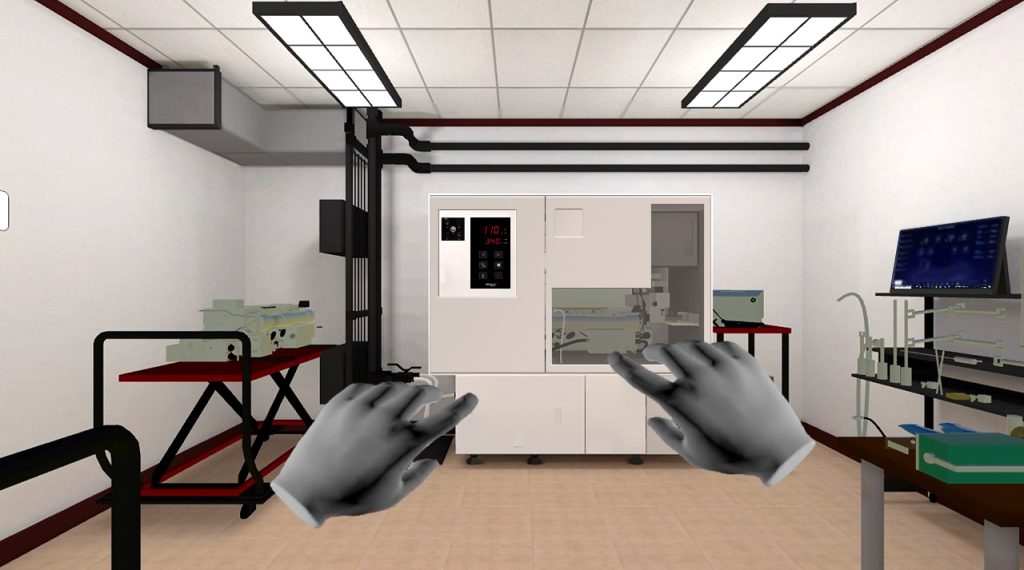
Yes, in specific places. On Carnival of Truth, we used generative AI for ideation and visual exploration, then built the characters and assets in Blender. In the VR training we built for manufacturers, AI generated the narration voices and the characters inside the training, while the equipment was modeled as 3D copies of the real onsite machines.

Can 3D renders be reused for AR or training?

Yes. A product model can be adapted for a 360 spin, AR product experience or interactive training application. Real-time environments usually need additional asset preparation beyond a high-resolution render. Our team works across 3D, Unity, AR and VR.

Do you work with agencies?

Yes. We produce 3D assets as part of agency-led campaigns. Myaderm and Carnival of Truth both involved SLIDEFACTORY working through an agency partner.

When is photography a better choice?

For a single shot of a finished product, photography may require less production work. 3D becomes useful when you need variations, unbuilt products, impossible camera angles, animation or reuse across several channels.

Work With Us

What's next should be worth building.

New products. Better systems. More compelling experiences. Whatever the opportunity, we bring the thinking, creativity, and technical expertise to make it real.

Start a Conversation 4520 SE Belmont St, Suite 300
Portland, Oregon