Arkh
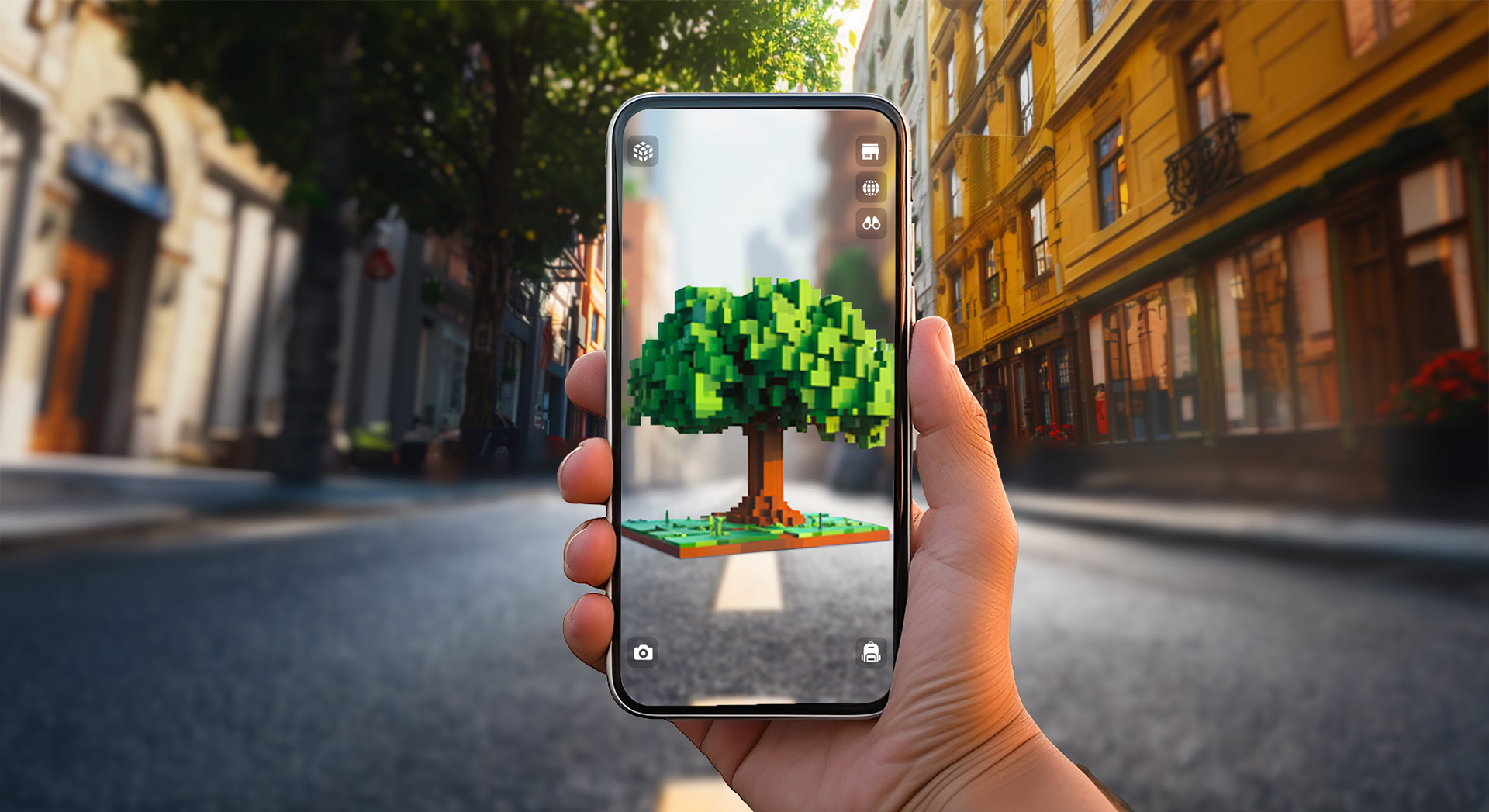
An iOS and Android app for building voxel creations and placing them in real spaces. We joined the existing team to develop AR placement, the creation tools, interface work, in-app purchases and supporting middleware.
View projectImmersive Technology · Portland, Oregon
Helping brands and agencies put AR campaigns into the real world.
A street corner becomes a clue. Packaging opens an interactive scene. A character appears where someone is standing. We build augmented reality marketing campaigns designed for real places, real phones and the date they need to launch.
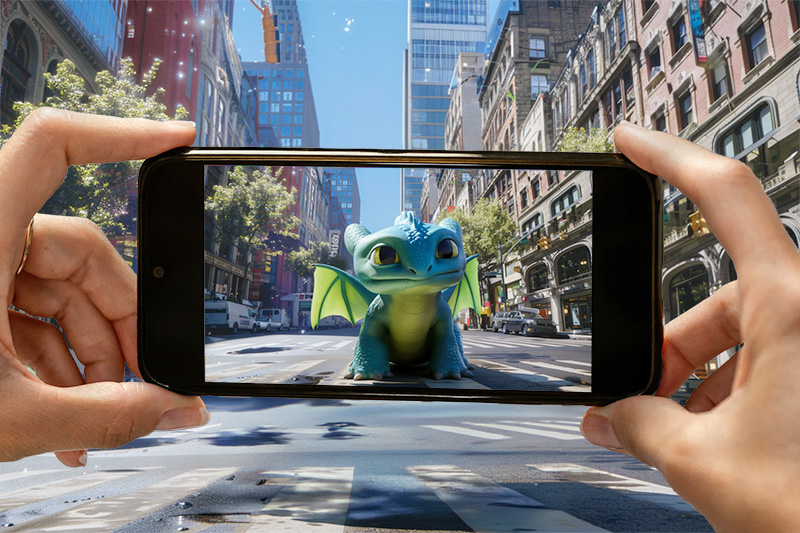
AR can add an interaction at the moment someone encounters a product, place or message. The trigger and audience determine the format.
A code on a poster, package or storefront opens a browser-based experience. It suits campaigns that need quick participation and cannot rely on an app download.
Hunts, trails and distributed activations connect a digital scene to a specific physical place. The surrounding environment becomes part of the navigation and pacing.
Camera lenses, characters, gestures and animated graphics can turn ordinary signage or social content into a participatory moment.
Show a product in the customer’s own space, or let them explore relevant configurations before buying. We assess whether interaction adds something useful to the decision.
When an experience calls for persistent anchors, deeper sensor access or more involved interactions, we build for iOS and Android using ARKit, ARCore and Unity.
Spatial work that belongs on a headset follows a different design and deployment path.
AR and VR agency in PortlandAn iOS and Android app for building voxel creations and placing them in real spaces. We joined the existing team to develop AR placement, the creation tools, interface work, in-app purchases and supporting middleware.
View project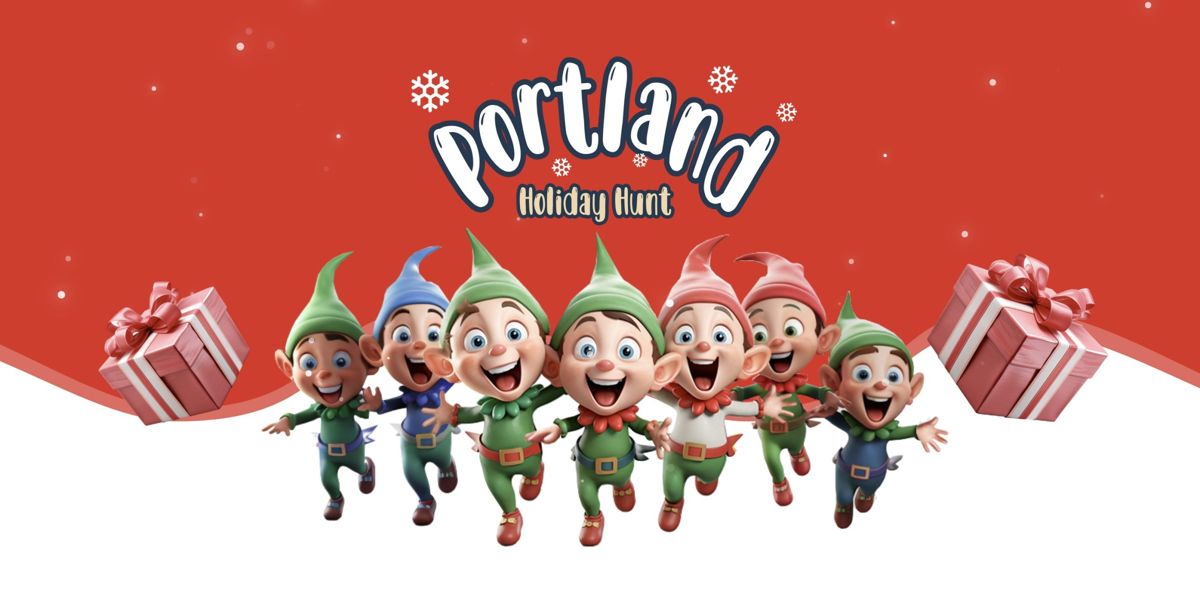
For Holiday Hunt, the winter scans were part of making the scenes work in place. For Carnival of Truth, pacing and location cues came out of real-world testing. These decisions happen while the experience is still being built.

The agency brings the idea, campaign strategy and client relationship. We develop the AR experience: 3D assets, interactions and the web application around them. We can work white-label and sign your NDA.
Carnival of Truth was delivered this way, with SLIDEFACTORY as the agency’s build partner.
Most AR campaigns take one to three months from kickoff to launch. The schedule depends on the number of scenes, interactions and environments involved.
Review the campaign idea, audience, placement, production assets and release date. Establish the important constraints before choosing technology.
Test the uncertain scene or interaction on a real phone to settle tracking, controls and feasibility before scaling production.
Produce the 3D content, web or native application, interactions, navigation and supporting landing pages needed for the experience.
Check how the experience is discovered, anchored and completed in its intended environment and on the target devices.
Release the work on the agreed platform. We usually support the campaign for about a month after launch.
WebAR opens from a link or QR code in a mobile browser. For many campaigns and events, that makes participation straightforward. Native apps make sense when the interaction calls for more device capability, persistent spatial behavior or greater performance headroom.
Headsets such as Apple Vision Pro and Meta Quest suit showrooms, events and training, where the device is in the visitor’s hands for the length of the experience.
If the idea works as well as video, we will say so while defining the campaign.
A-Frame, three.js, Zapworks, Onirix and the self-hosted 8th Wall engine.
Native apps built with ARKit, ARCore and Unity, for experiences that need persistent anchors, device sensors or more performance.
Spatial AR for visionOS, built natively with SwiftUI, RealityKit and ARKit, or adapted from an existing Unity experience through PolySpatial.
Mixed reality on Quest headsets, using passthrough to place 3D content in the room around the viewer, built in Unity.
Lens Studio for branded camera filters and effects.
We work with businesses in Portland and across the metro, including Beaverton, Hillsboro, Sherwood, Gresham and Vancouver, Washington, and with clients across the country. SLIDEFACTORY opened in Portland in 2018, and you can meet us at our Portland studio on SE Belmont.
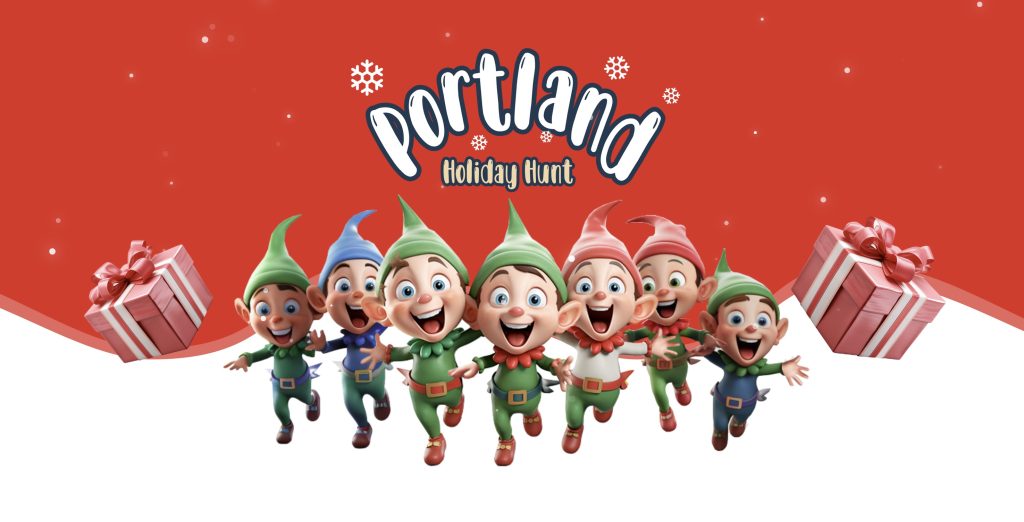
The Portland Holiday Hunt put six location-based scenes on downtown streets.
Related: AR and VR agency in Portland · Portland web design · Portland SEO
Two weeks to build one AR scene with one 3D asset, test it on real phones and provide an estimate for the complete campaign.
Yes. We can work white-label under NDA while the agency owns the client relationship and creative direction. We deliver the technical experience and agreed supporting assets.
Most take one to three months from kickoff to launch. We plan against an event or campaign release date and identify feasibility risks early.
Augmented reality advertising adds interactive digital material to something people encounter in the physical world, such as packaging, a store display, a specific location or a camera lens.
WebAR fits many campaigns because it opens through a mobile browser. Native apps are appropriate when performance, persistent anchors or deeper device capabilities are important.
We quote the AR Prototype Sprint in writing before work starts. A complete campaign is quoted after its scope, assets, integrations and launch requirements are agreed.
The live experience on the agreed platform and the specified production assets. We can also hand over the completed app and its code on request.
It makes sense when placing interactive content in a particular location or context adds to the experience. A QR-triggered moment is often a practical entry. We will also consider video when interactivity adds little.
Our downtown Portland Holiday Hunt used six location-based WebAR scenes and a companion site with clues and a map. We tested scene locations in winter conditions.
Yes. Our Portland immersive team builds AR and VR applications, including headset-based work.
Campaigns usually include about a month of post-launch support. Additional operations and longer-running requirements are scoped separately.
We'll review the idea, the location and how people will enter the experience.
Talk About Your Campaign