
Mobile App Development
React Native-led mobile app development for startups and growing brands: one codebase shipping to both iOS and Android, honest platform advice when React Native isn't the right tool, and the backend built by the same team. We've been shipping software for over twenty years, apps, AR, and the systems behind them.
Companies we've collaborated with
React Native App Development
One codebase, both app stores, native performance where users notice it. React Native is our default recommendation for most consumer and B2B products because it cuts the build-and-maintain cost of supporting iOS and Android without the compromises of a web wrapper.
On Motusi’s motion-capture platform, React Native ships in the same product as Unity and 3D animation, a useful test of the framework’s limits, and of a team’s ability to work beyond them when the product demands it.
AR Apps and Games
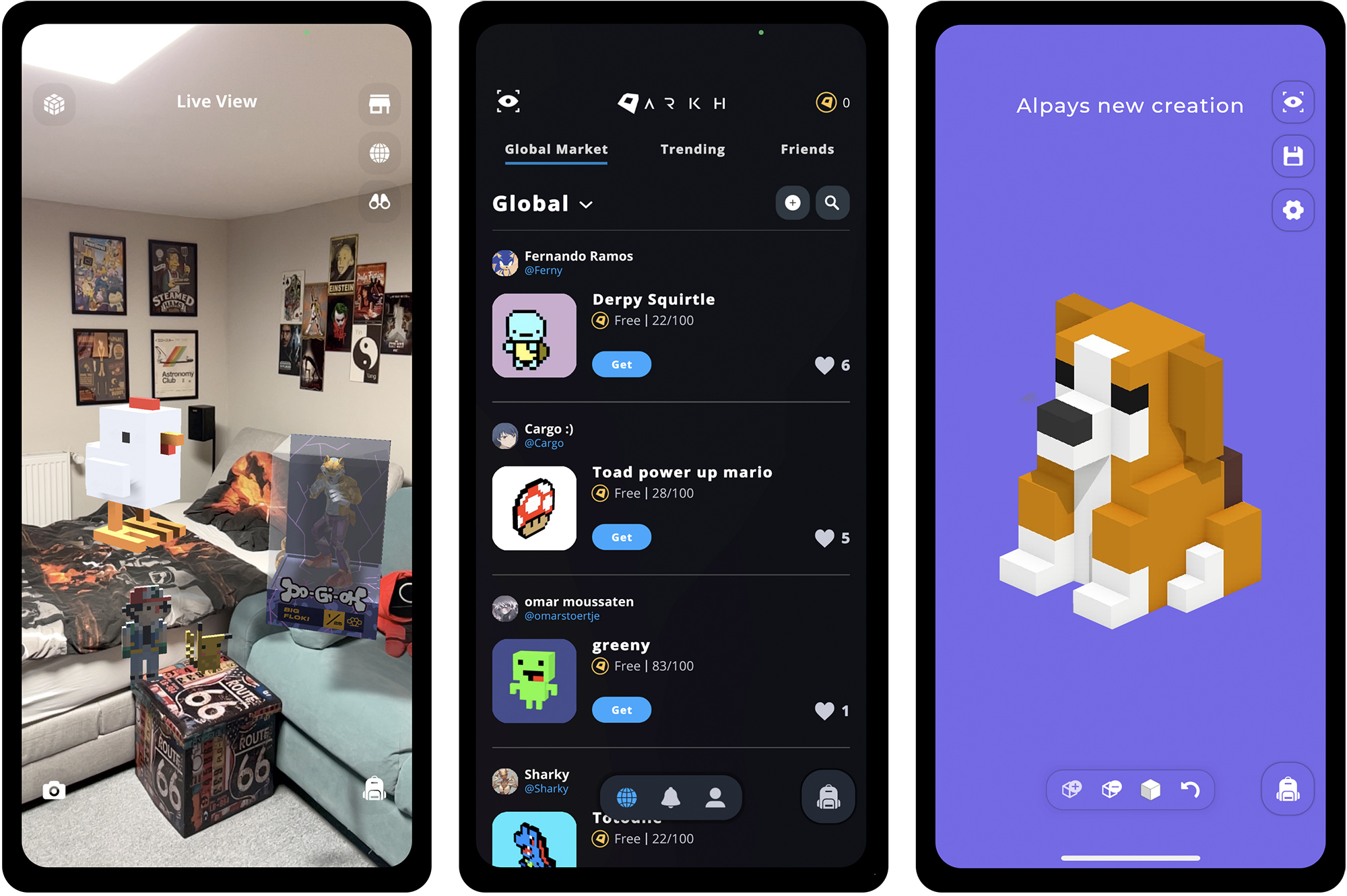
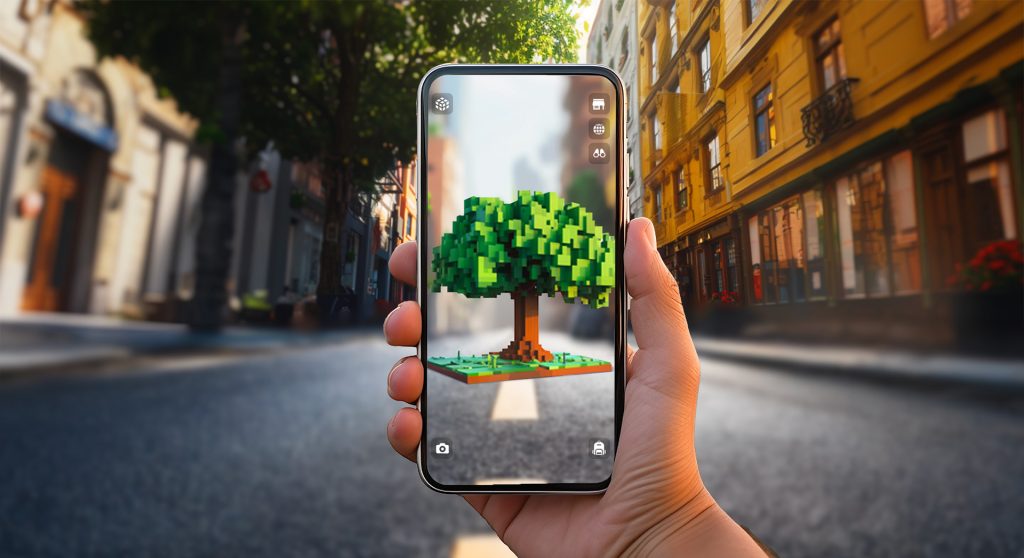
When the product calls for more than screens (augmented reality, 3D, games) we build in Unity, the way we did for Arkh’s voxel AR platform and the Portland Holiday Hunt downtown scavenger hunt. AR remains one of the few mobile categories where an app can do something a website simply can’t.
The practical value of having this under the same roof: your product can start as a conventional app and grow an AR feature later without changing vendors.
Startup-Ready Delivery
We scope first releases around the workflow that proves the business, ship to both app stores, and iterate from live usage. App store submission, review cycles, and post-launch releases are part of the engagement, not an exercise left to the client.
Twenty-plus years of shipping software is mostly useful as judgment: knowing which corners a v1 can safely cut, and which ones quietly kill products two quarters after launch.
React Native by default, native when it earns it
Because for most businesses, one codebase that ships to both iOS and Android is the difference between an app that launches and an app that stalls in budgeting. React Native gives you native interfaces on both platforms from a single team and a single codebase (roughly one build instead of two) with the ecosystem maturity of React behind it.
We’ll also tell you when it’s the wrong choice. Graphics-heavy games and AR belong in Unity (we build those too); apps leaning hard on platform-specific hardware sometimes justify fully native builds; and some “we need an app” projects are actually better served by a responsive web app at a fraction of the cost. Recommending the cheaper path when it fits is how a development shop earns the projects that come after.
App development for startups
Startups are the natural fit for cross-platform work: limited runway, both app stores expected on day one, and a product that will change shape after real users touch it. Our approach is to scope the first release around the workflow that proves the business (not the full roadmap) get it into the stores, and iterate from live feedback.
The team behind it has been shipping software for over twenty years, across platform shifts that each promised to change everything: web, mobile, AR, and now AI. That history matters mostly as calibration. We’ve seen which corners can be cut in a v1 and which ones quietly kill products in month six.
What we build
React Native apps
Consumer and B2B products shipping to iOS and Android from one codebase, like the companion app for Motusi’s motion-capture platform, where React Native runs alongside Unity and 3D animation in the same product.
AR apps and Activations
Unity-based augmented reality like Arkh and the Portland Holiday Hunt, when the product calls for more than screens and lists.
App Back-end Development
APIs, admin dashboards, and integrations, built by the same team. An app is usually a third of the actual product; see our custom web and mobile applications practice for the full-stack picture.
App store delivery
Submission, review cycles, and the releases after launch. Shipping to the stores is a process we run, not a hand-off.
Mobile Games
Design and build of mobile games that combine strong creative, intuitive gameplay, and reliable development for iOS, Android, and cross-platform experiences.
Native App Development
iOS and Android apps built natively when the product calls for deeper platform integration, higher performance, or features that need direct access to the device.
Why teams bring mobile work to us
We’re a Portland team that’s been building digital products since 2018, with mobile work spanning React Native, native, and Unity, browse our work for the range. Local startups get a Portland app development partner they can sit in a room with; national clients get the same team over a video call. Either way, design, development, backend, and store delivery happen in-house, so nothing gets lost between vendors.
Have an app idea, a stalled build, or a platform decision you want a straight answer on? Talk to us, the first conversation is free.
Related Solutions
AI Consulting & Development
AI Consulting and AI Development that helps Portland businesses automate tasks, and improve decision-making.
Explore AI Development →
Augmented Reality & Virtual Reality Experiences
Custom AR and VR Development for Training, Simulation, and Storytelling. Augmented Reality & Virtual Reality Experiences.
Explore AR/ VR Solutions →Creative & Generative AI Production
High Quality and Low cost scalable Content Creation Using Generative AI for Social Media, Training Videos, Voice, & Creative Campaigns.
Explore Creative AI →
Mobile App Development
Develop custom mobile applications to enhance user engagement and drive business growth.
Explore Mobile Development →
Portland Digital Marketing Agency
Grow your business with paid search, paid social, content marketing, and outbound campaigns. Full-service digital marketing for Oregon companies.
Explore Marketing Solutions →
Portland Web Design & Development
Expert Portland Website Design & Development services for businesses that need fast, modern, and user-friendly websites.
Explore Web Development →Frequently Asked Questions
Should I build in React Native or fully native?
React Native for most products: one codebase for iOS and Android, native interfaces, and a substantially lower build-and-maintain cost. Fully native earns its premium when you lean heavily on platform-specific hardware or need every last frame of performance. Games and AR usually belong in Unity. We build all three, so the recommendation follows your product rather than our staffing.
How much does mobile app development cost?
Scope decides it: number of user-facing workflows, backend complexity, integrations, and how much design is settled before development starts. We give a detailed estimate after a discovery conversation instead of publishing rates, and the first thing we’ll do in that conversation is look for the version of your app that costs less than the one you walked in with, a smaller v1 that reaches users sooner is almost always the better investment. If the riskiest part is technical feasibility rather than scope, a fixed-scope PoC sprint answers it before you fund the full build.
Do you work with startups?
Yes, startups are the natural fit for our cross-platform approach: both app stores from one codebase, a v1 scoped around the workflow that proves the business, and iteration from live feedback. The team has been shipping software for over twenty years, which mostly buys you calibrated judgment about what a first release actually needs.
Can you take over or rescue an existing app?
Yes. We audit the codebase first and tell you honestly what’s salvageable, often most of it. For apps built quickly with AI-assisted tools, our AI code rescue practice does the systematic version of that audit before we commit to a path.
Do you handle app store submission?
Yes, submission, review cycles, and post-launch releases for both the Apple App Store and Google Play are part of the engagement. We’ve been through enough review cycles to scope for them instead of being surprised by them.


