Helping people understand and control an AI assistant
An assistant that manages email, agendas and meeting preparation is useful only when it has enough context to recognize what matters to the person using it. For a busy professional, setting up that context can involve connecting accounts, explaining preferences and deciding which updates should arrive and when.
Sixty was building an AI personal assistant for those everyday decisions. Its underlying technology could triage inboxes, prepare meeting material and produce agenda summaries, but the experience around that engine still needed development. New users had to understand how to get started, adjust the assistant’s behavior and review what it produced.
Sixty raised a $3.5 million seed round in 2023 and launched on Product Hunt that October while product work was underway.
SLIDEFACTORY joined the Portland startup in June 2023, working alongside Sixty’s engineers. Our role was the product experience rather than building the AI engine: implementing the web interface, onboarding, agenda controls, generated bio and brief workflows, email digests and early iOS functionality. The engagement continued through September 2024.
Making the assistant easier to navigate
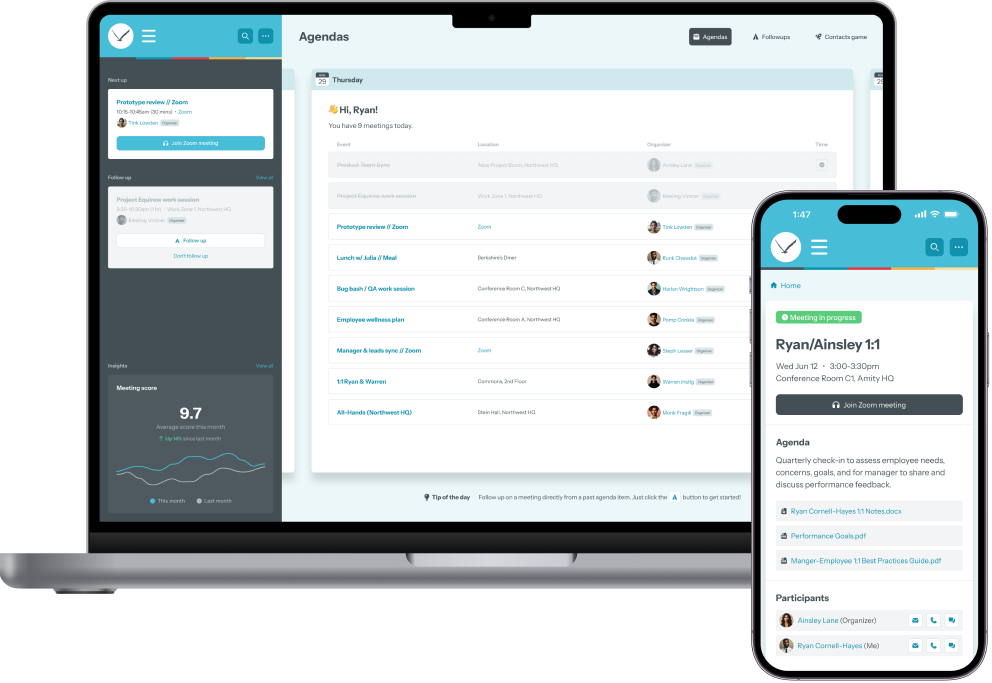
The first phase focused on making the existing product interface match Sixty’s designs. We implemented the dashboard, inbox, assistant pages, profile and settings from Figma and migrated styling to Tailwind CSS. The agenda view changed from a table to a grid, and React Select controls and automated tests were updated to fit the new interface.
Agenda delivery also required careful state management. A user could pause all emails, disable them for one calendar or change an individual rule, and vacation mode needed to take precedence over those settings. We rebuilt the toggle logic and data handling and tested the combinations so changes made in one part of the interface were reflected elsewhere.
Onboarding that teaches the assistant
Before the assistant could prepare useful agendas or meeting material, a user needed to connect accounts and describe preferences. We developed onboarding screens covering identity, goals, connected services, communication and meeting styles, plus a getting-started checklist and guidance for configuring alerts and agendas.
The flow saved progress as it went and reused information already available from the account. People could pause setup, choose “remind me later” and return to an unfinished step without beginning again.
AI-written bios and shareable briefs
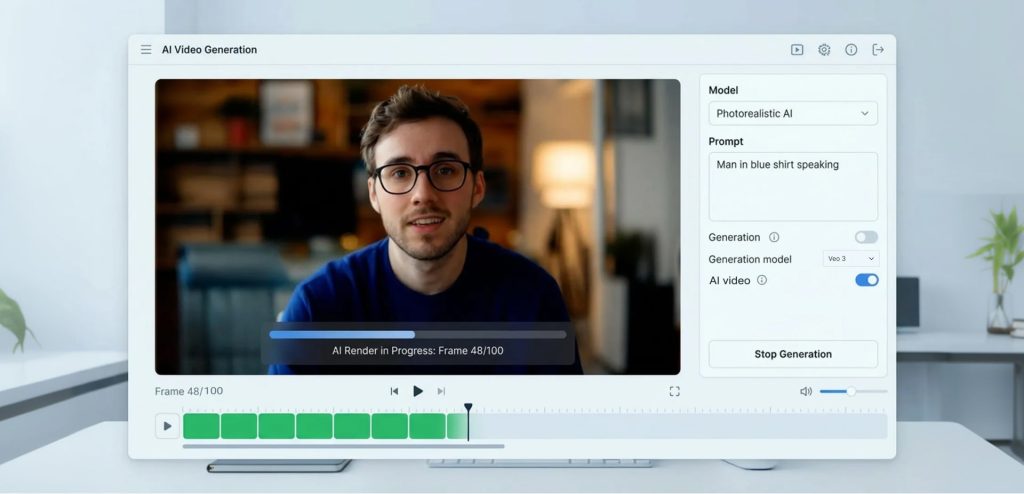
Sixty also generated professional bios and shareable briefs for meetings. The underlying AI generation belonged to Sixty’s product; we built the interface and application flows around it. Users could import career history from LinkedIn data or a résumé, or enter it manually. The upload and entry screens handled drag-and-drop files, validation and progress states.
After the system generated bio candidates, the user could select one, request refinements and see generation status while results were processed. We built retry and skip behavior for unsuccessful requests. The surrounding profile controls supported photos from Gravatar or upload, social links, time zones and meeting preferences.
As the feature developed, users gained the ability to maintain several briefs for different audiences, each editable, shareable and removable. That required restructuring the relationship between bio and brief data and retesting the creation and editing flows, particularly when users switched between multiple briefs.
Bringing the assistant into daily routines
A returning user also needed visibility into what the assistant was sending. We built an insights interface with meeting and email data displays, and controls for editing the daily agenda content. We implemented templates and preview tools for agenda, insight and birthday-reminder emails and connected them to Sixty’s existing backend mail workers, checking their presentation across Gmail and other email clients.
Testing how the experience could extend to iOS
While most of the engagement concerned the web product, we also helped prepare its iOS direction. We implemented universal links from emails and briefs into the app, configured Xcode Cloud and internal TestFlight distribution, and developed demonstrations for reminders, dictation and location-aware notifications. Those experiments helped explore the mobile experience; the builds were distributed internally through TestFlight.
Near the end of the engagement, in August and September 2024, we also rebuilt pages of Sixty’s marketing website in Webflow with new animation and artwork.
Putting the AI assistant in users’ hands
Sixty’s AI engine was already in development when we joined. Our contribution was to make the product’s capabilities accessible through onboarding, agenda controls, editable bios and briefs, and the emails people would encounter in daily use. As the product developed, those experiences expanded to multiple shareable briefs, insight views and early iOS experiments.
Over about 15 months, from June 2023 to September 2024, we contributed roughly 1,190 hours while working alongside Sixty’s engineers. We finished with web-product features, messaging templates, mobile groundwork and updates to the marketing site. The project shows the less visible but necessary side of AI product development: giving people a way to provide context, understand the output and decide how the assistant fits into their work.