The work surrounding a free-roam VR game
A multiplayer VR attraction starts long before the headsets go on. Guests need to register and choose an avatar, staff need to check groups in, and the equipment has to receive the correct settings for the room and session. When the game is over, players may want their scores, profiles and a way to return for another session.
Limitless VR, originally called ManuVR, was developed as an untethered, free-roam team experience for up to 16 players. The headset game placed virtual worlds over an arena with real walls and obstacles. But operating that game across venues required a connected set of systems beyond the game software itself.
The attraction was unveiled at the IAAPA Expo in 2021 and later placed second in the event’s Brass Ring Awards VR/AR category. Those are milestones for the attraction, separate from our technical scope.
Between late 2019 and April 2024, SLIDEFACTORY worked alongside the Limitless VR team and partner agencies on those surrounding systems. Our work began with in-game interface design and grew into the operator portal, player check-in kiosk, headset APIs, profile tools and infrastructure used to administer the experience.
Starting inside the headset
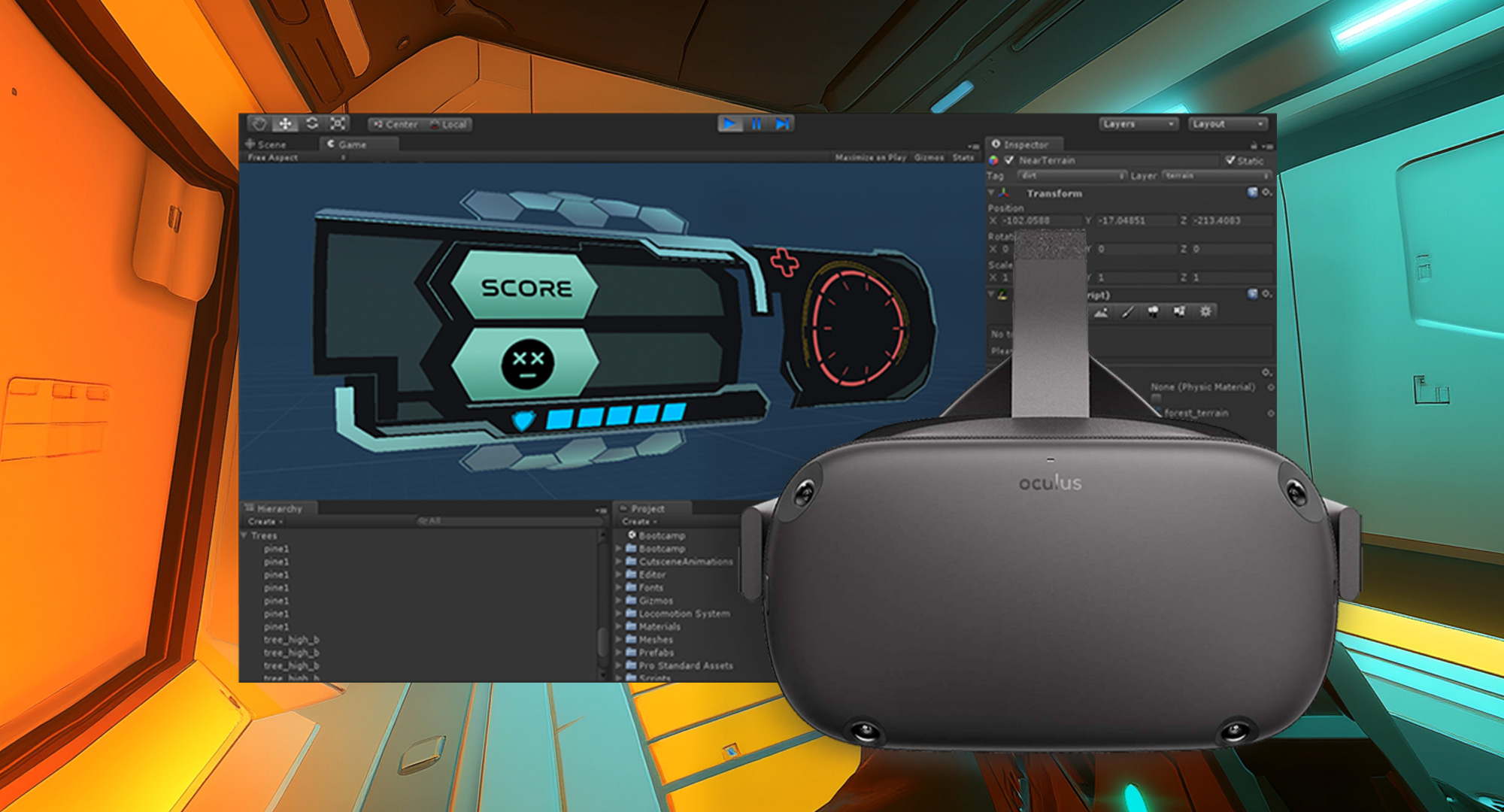
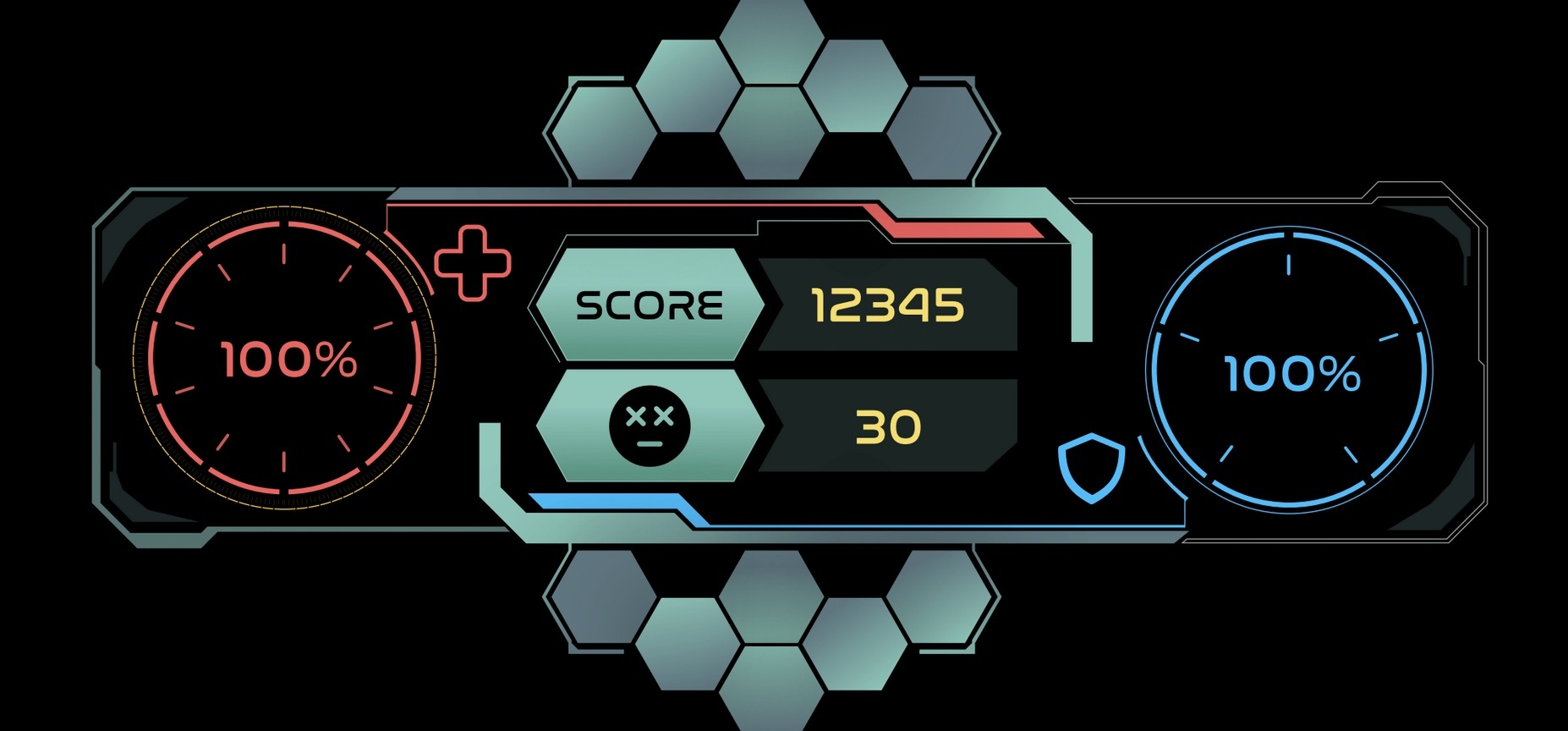
Our first assignment in late 2019 was part of the in-game interface. We designed a wrist menu, scoreboard, headset and login screens, exit signage and proximity warnings to help players stay aware of the physical arena. The wrist control went through different layouts because its information had to be legible at arm’s length while a player was moving.
That early design work established a connection to the player experience, but the larger engagement soon shifted to the software used outside the headset.
Giving venues control of each session
In December 2019, we began the WordPress-based operator portal. It managed organizations, venues and people with different levels of access, from super administrators to venue staff. Bulk CSV import made it possible to create user records, while the operating panel displayed the play queue, session starts and extensions. Venues could register headsets and change player counts and other game settings without developer intervention.
The portal also provided headset APIs for fetching configuration, storing alignment and venue tracking data, recording play sessions and managing physical objects represented in the virtual arena. As multiple devices began updating records at the same time, race conditions surfaced: data could be written twice or lost. We reproduced the conflicting requests, fixed indexing, introduced locking and queued deletion, then folded a separate legacy API server into the main platform to reduce the number of services the team had to maintain.
Check-in that keeps the line moving
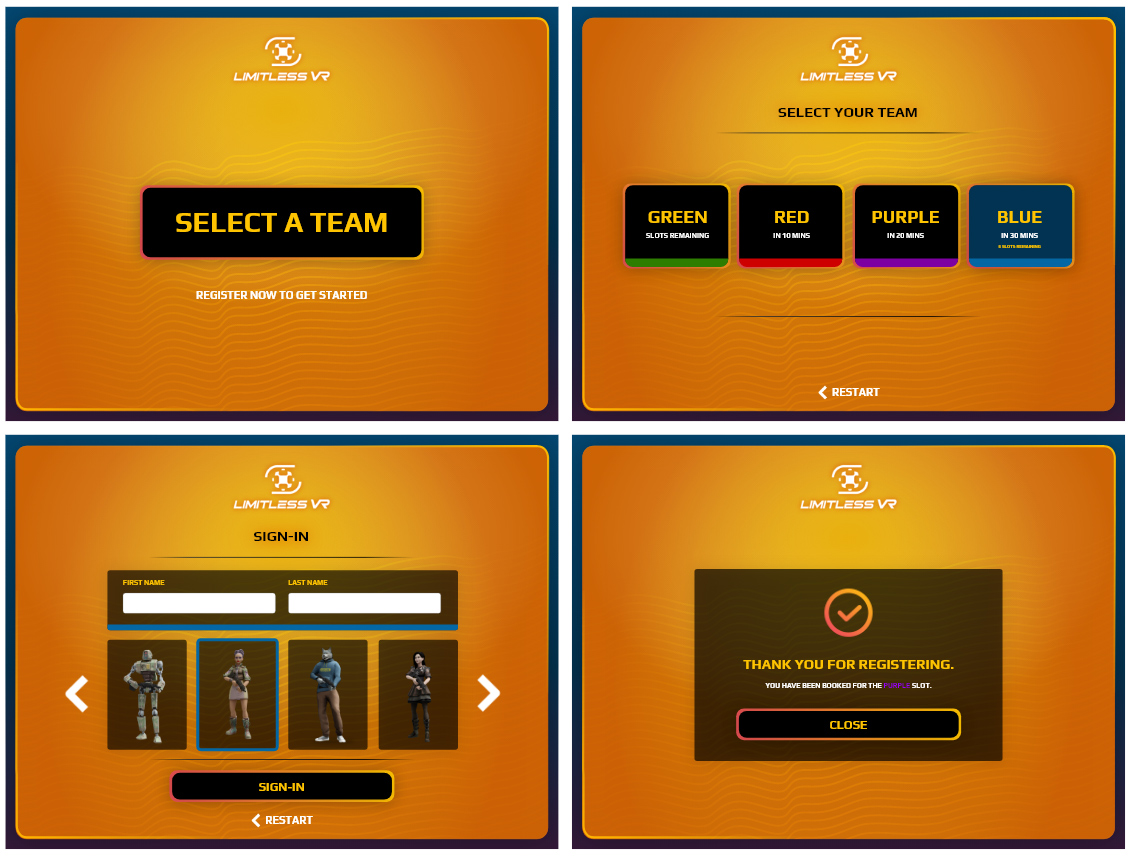
At the venue, players needed a straightforward route from registration to their session. In 2022 we redesigned the React-based tablet kiosk so guests could register on site or on a phone and check in with a QR code or six-digit number. An animated selector let each player choose among six avatars and set an alias, with suggestions when a name was already taken.
The kiosk also checked venue hours and session capacity, prevented two people from taking the final available spot and showed staff the group’s live check-in progress. We tested the interface on iPads and Samsung tablets, correcting Android keyboard and camera behavior and adjusting the QR camera view to make scanning easier.
Keeping players connected after the game
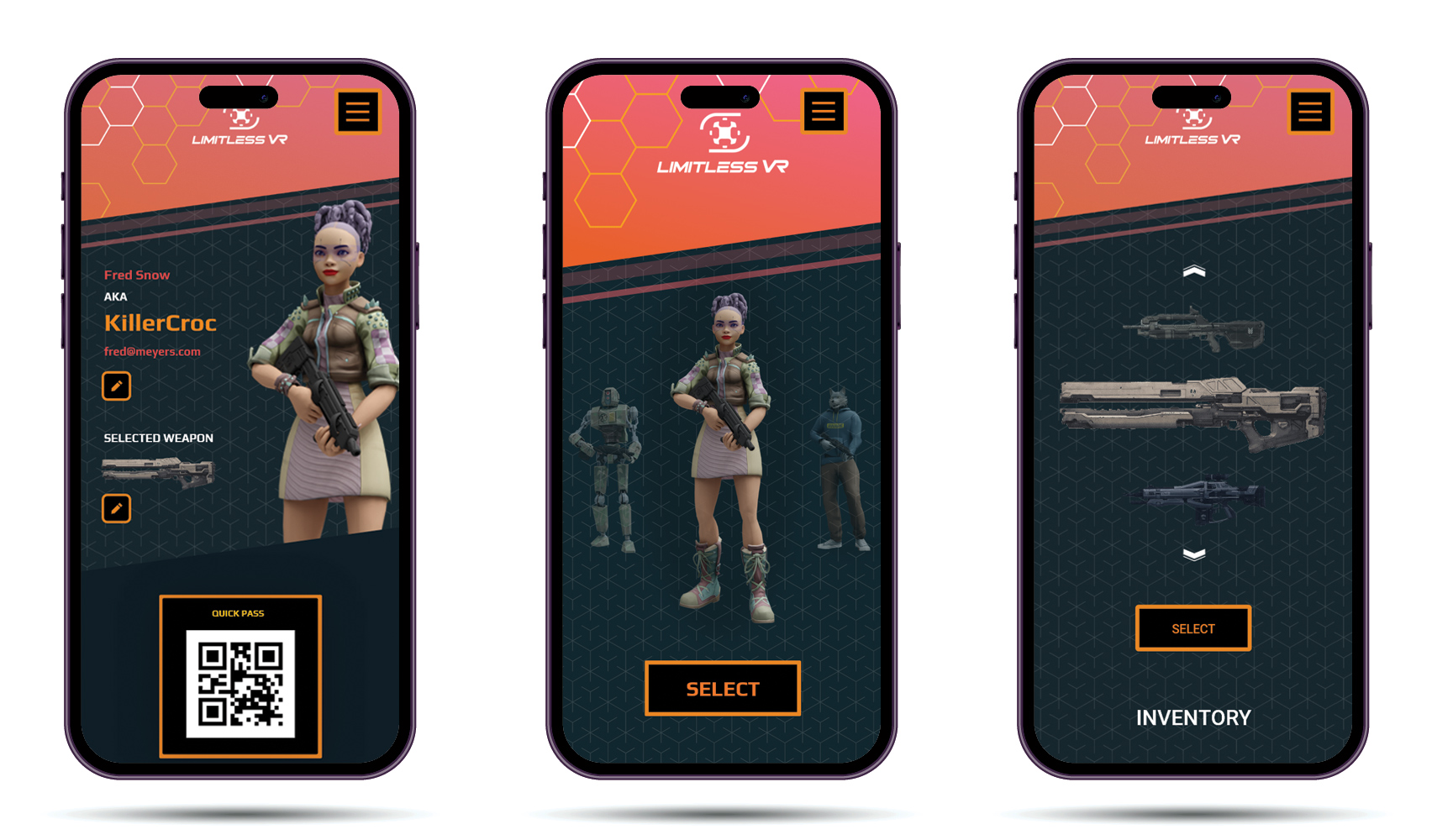
The same identity followed a player beyond a single visit. We built registration emails containing QR codes for future check-in and post-session emails with game scores and ranks. Both were tested in major email clients, including Outlook on Windows, where background images required special handling.
In 2023 we extended this account experience with profile pages, a paginated game history, statistics and rank badges. Players could choose avatars and equip a set of in-game weapons that were delivered to the headset through asset bundles and the API. Later changes tracked the venues each person had visited and allowed venue-specific default equipment.
Carrying the experience beyond the software
Our work also covered visual assets around the experience, including logos, branding, posters, promotional video and animation, and interface graphics such as team scoreboards and end-of-game awards. Those deliverables were created across the client’s multiplayer VR titles alongside the core portal and kiosk work; the game’s overall 3D environment and headset software were managed by other teams.
Supporting the system as the attraction evolved
As the supporting systems grew, we moved the portal, kiosk and APIs to DigitalOcean environments separated into development, staging and production. GitLab CI/CD handled deployments, with SSL and security updates across the services.
When the product changed its name from ManuVR to Limitless VR in 2023, the underlying systems were updated with it. Work continued into 2024 with a dedicated administration server and chunked uploads for larger game assets.
An experience connected from check-in to the headset
By the end of the engagement, Limitless VR had connected operating tools for staff, a tablet check-in experience for guests and APIs that helped the headsets communicate with the venue systems. Player profiles, score emails, equipment settings and game histories also gave the experience continuity beyond one session. Those systems were developed and maintained alongside the game as the attraction expanded and changed its name from ManuVR.
From October 2019 through April 2024, our team contributed approximately 1,340 hours across design, development and infrastructure, working alongside the groups responsible for the VR game itself. What began with in-headset interface work became a set of connected systems that supported the experience from the front desk to the scoreboard, giving staff and players a more complete journey around the game.