Skip to content

Artificial Intelligence

AI Readiness Assessment

Your team has a list of AI ideas. Someone has to decide what belongs at the top, what the systems can support and which investments can wait. We examine the work, data and tools behind those decisions, then provide ranked recommendations and an implementation roadmap.

Stakeholder interviews · Systems review · Prioritized recommendations · Implementation roadmap

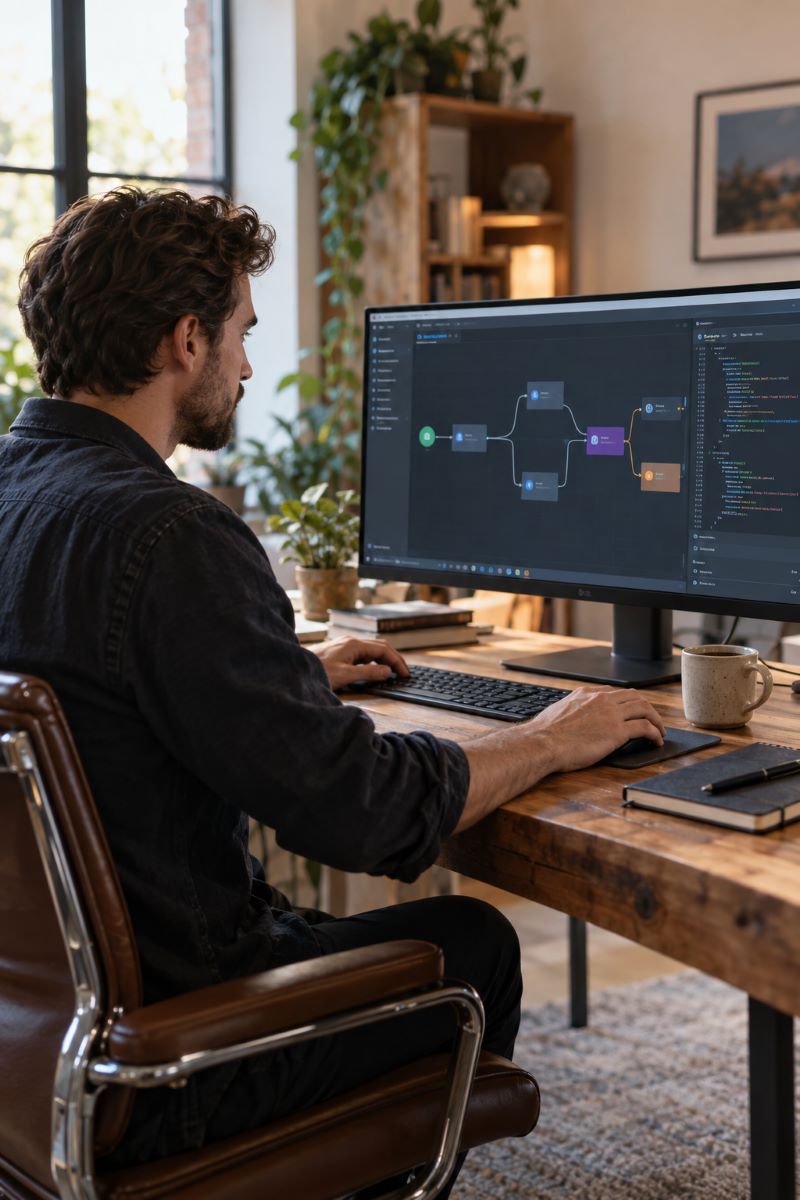
Developer building an AI workflow on a desktop monitor
Clients

Companies we’ve worked with.

Overview

What an AI readiness assessment covers.

An AI readiness assessment examines a company’s goals, recurring work, data, existing software, team practices and risk limits to identify realistic opportunities for AI. It produces ranked recommendations, identifies constraints and lays out an implementation roadmap. Some workflows need an existing tool, some an integration, and some no AI at all.

  • Your goals on record

    An intake that captures the business goals, the people involved and the processes in scope.

  • How the work actually runs

    Stakeholder and workflow interviews that capture the exceptions and manual steps behind each process.

  • A review of your systems

    The tools and data involved, what already connects, and where access or integration limits apply.

  • Ranked recommendations

    Opportunities ordered by usefulness and feasibility, including the ones that need no AI.

  • An implementation roadmap

    A recommended sequence and the constraints to address, whether your team does the work or we do.

  • Starting price

    Starting at $1,500. The price varies by company.

What We Review

The six parts of AI readiness we review.

AI readiness comes down to goals, workflows, data, systems, people and governance. We review each one for the work in scope.

  • Strategy and goals

    We start with what leadership expects from AI and which business goals the first project should serve.

  • Workflows

    We look at what people do repeatedly, where work changes hands and which steps require judgment. That includes tasks like preparing a recurring report, sorting incoming requests or assembling a proposal from familiar information.

  • Data and data quality

    We identify which sources each task relies on, where those records live, what is sensitive and whether the records are complete and consistent enough for a tool to use.

  • Systems

    We examine the software already in use and how information moves between it. If a platform has no API, the roadmap identifies the constraint and what a possible workaround would involve before you commit.

  • People and skills

    We review the AI tools people already use and the support they would need to work consistently. A shared set of instructions or role-specific training may be a more useful next step than new software.

  • Governance and risk

    We note which steps need a person to approve the result, what access a tool would need and which security or privacy limits apply. Access is agreed with your team before we look at anything.

How It Works

How the AI assessment works, from intake to roadmap.

  1. 01

    Tell us about the business

    An initial intake form captures the business goals, the people involved and the processes you want examined. It gives the discussions a concrete starting point.

  2. 02

    Talk with the people doing the work

    Stakeholder and workflow interviews show how the process actually runs, including the exceptions and manual steps that may be missing from the official description.

  3. 03

    Review the systems and processes

    We map the tools and information involved. We identify what already connects, where access or data limits apply and what would need to change for automation to work.

  4. 04

    Prioritize the opportunities

    Recommendations are ordered by usefulness and feasibility. Some will involve a subscription, some a connected workflow, and others a larger technical project or a simpler process change.

  5. 05

    Map the next move

    We prepare an implementation roadmap that sets out the recommended sequence and the constraints to address.

What You Keep

Ranked recommendations and an AI implementation roadmap.

Every assessment ends with a written set of priorities your team can act on, whether you carry out the work or SLIDEFACTORY builds it.

  • A ranked list of opportunities

    The workflows that deserve attention, with a plain explanation of the recommended approach for each.

  • An AI implementation roadmap

    A practical sequence for moving from the current process to an approved next step, whether your team carries it out or SLIDEFACTORY builds it.

  • Known constraints

    Notes on data, existing software and team requirements that may affect the work. These inform scope before development begins.

  • Clear exclusions

    The tasks that are already handled well, are unsuitable for AI or would benefit from another tool or process change.

Where It Can Lead

What usually happens after the assessment.

The roadmap points to one of four next steps.

When an AI readiness assessment makes sense.

A good fit

This assessment is for the company with AI ideas but no agreed first project. It also helps when employees have experimented independently, leadership needs an investment plan, or a proposed build needs a closer look at systems and data before anyone authorizes it.

Start somewhere else

If you already know which process needs connecting, start with a conversation about that build. Not sure where AI fits? Start with an assessment. Already paying for Claude or ChatGPT and your team isn’t using it? Start with training.
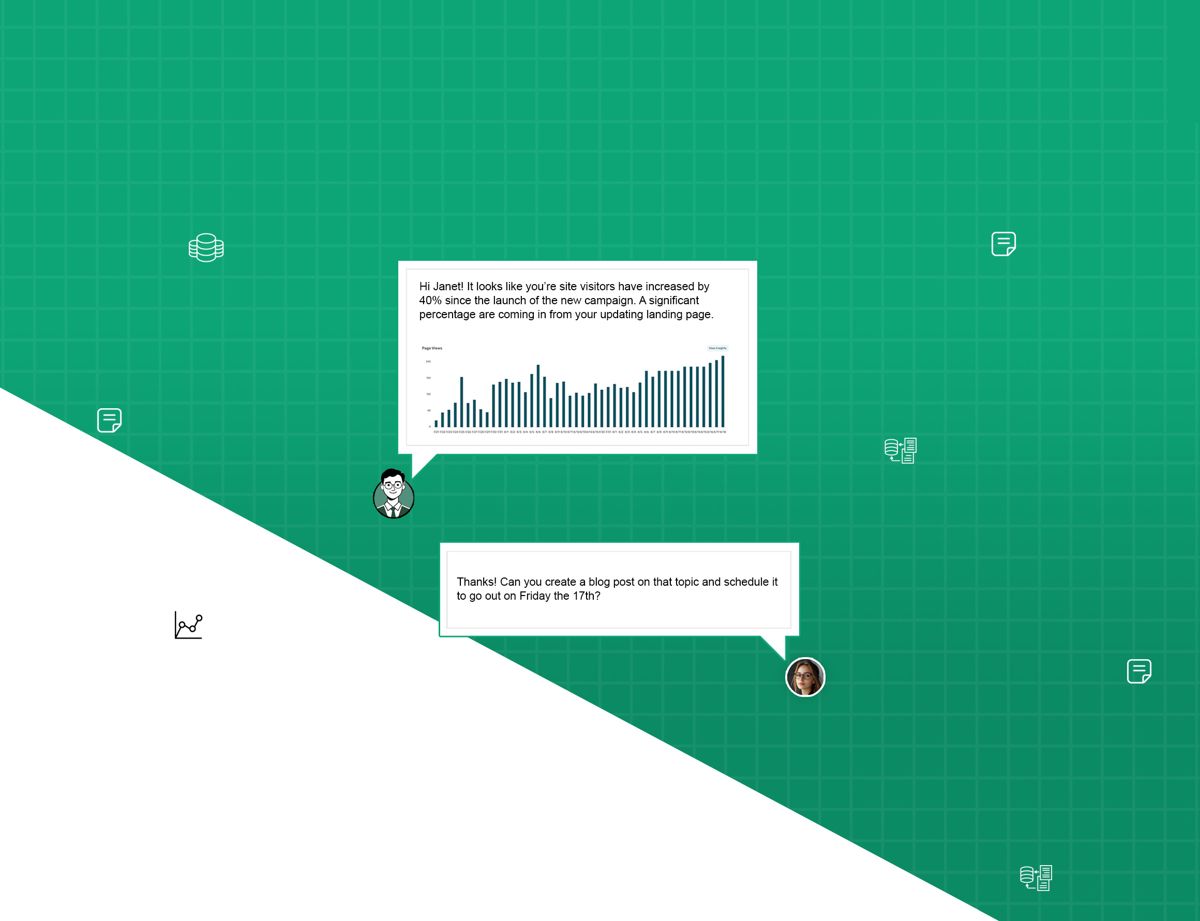
Insyght Studio agent conversation with a page-views chart
Results

We build and run AI ourselves.

SLIDEFACTORY has delivered AI work for clients since 2022, and has worked with more than 60 clients since its founding in 2018.

Insyght Studio. We designed and built an AI business platform that reads live Google Analytics and Google Ads data and turns it into plain-language insights. View project.

STAR ActivityLab. We developed a learning platform with integrations involving Claude and ElevenLabs.

CodeRaven, first five months

Our code-review agent. A developer gives final approval on every merge.

1,164

Pull requests reviewed

2,812

Review runs

$161.20

Model spend

Getting Started

What an AI readiness assessment costs.

AI Opportunity Assessment

Starting at $1,500

We review the work people repeat, the systems they depend on and the constraints that could affect implementation. The assessment includes intake, stakeholder and workflow interviews, prioritized recommendations and a roadmap. The price varies by company.

What’s Included
  • Initial intake and discovery
  • Stakeholder and workflow interviews
  • Review of existing systems and processes
  • Prioritized recommendations
  • Practical implementation roadmap
  • AI training week

    $9,500 per team.

    AI training week
  • Focused AI Implementation

    Implementation projects are separately scoped and quoted.

  • Custom AI Systems

    Implementation projects are separately scoped and quoted.

FAQs

Questions about AI readiness assessments.

How much does an AI readiness assessment cost?

Starting at $1,500 for the AI Opportunity Assessment. The price varies by company. Any development or integration that follows gets its own written scope and quote.

What does the assessment include?

It includes an initial intake, stakeholder and workflow interviews, review of the systems and processes involved, prioritized recommendations and a practical implementation roadmap. We look at where AI would fit, what conditions would have to be met and what should be left for later.

How long does an AI readiness assessment take?

We set the schedule with you before work begins, once we know which workflows are in scope and who we need to talk to.

Do we need an assessment before building anything?

No. If you have a specific workflow and know which systems need to connect, we can discuss that work directly. The assessment is intended for organizations that need help choosing and ordering the opportunities.

What's the difference between an AI readiness assessment and an AI maturity assessment?

An AI maturity assessment generally describes how developed an organization’s current AI practices are. Our assessment focuses on what to do next. It examines workflows, systems, data and people, then produces prioritized recommendations and an implementation roadmap.

Will you recommend against using AI?

Yes. Some tasks can be improved with an existing subscription or a simpler process. Others may have data or integration limits that make them poor starting points. We include those findings in the recommendations.

What do you need from our team?

We need input from the people responsible for the workflows and enough visibility into the systems to understand how they operate. We agree on what information can be reviewed before work begins.

Which AI tools do you recommend?

We work with Claude, OpenAI and Gemini models and choose according to the workload. We have no reseller relationship that requires a particular provider. Existing tools remain part of the review.

What happens to our data during the assessment?

We review the systems and data requirements with your team and agree access before proceeding. Integrations your business depends on run in accounts you own.

Do you work with companies nationwide?

Yes. SLIDEFACTORY works with clients nationally. The work is organized around your workflows, systems and the people who use them.

Work With Us

Start with a conversation.

Tell us where AI is being discussed, which work keeps repeating and what your team has tried. We'll begin with the parts of the business worth examining.

Talk About Your AI Project 4520 SE Belmont St, Suite 300
Portland, Oregon