
Custom AI Agent Development for Your Business
We design and build AI agents that help your team handle customer inquiries, find information, prepare reports, and coordinate work across your existing systems. From finding the right opportunity to integration and support, we put AI to work.
Companies we've collaborated with











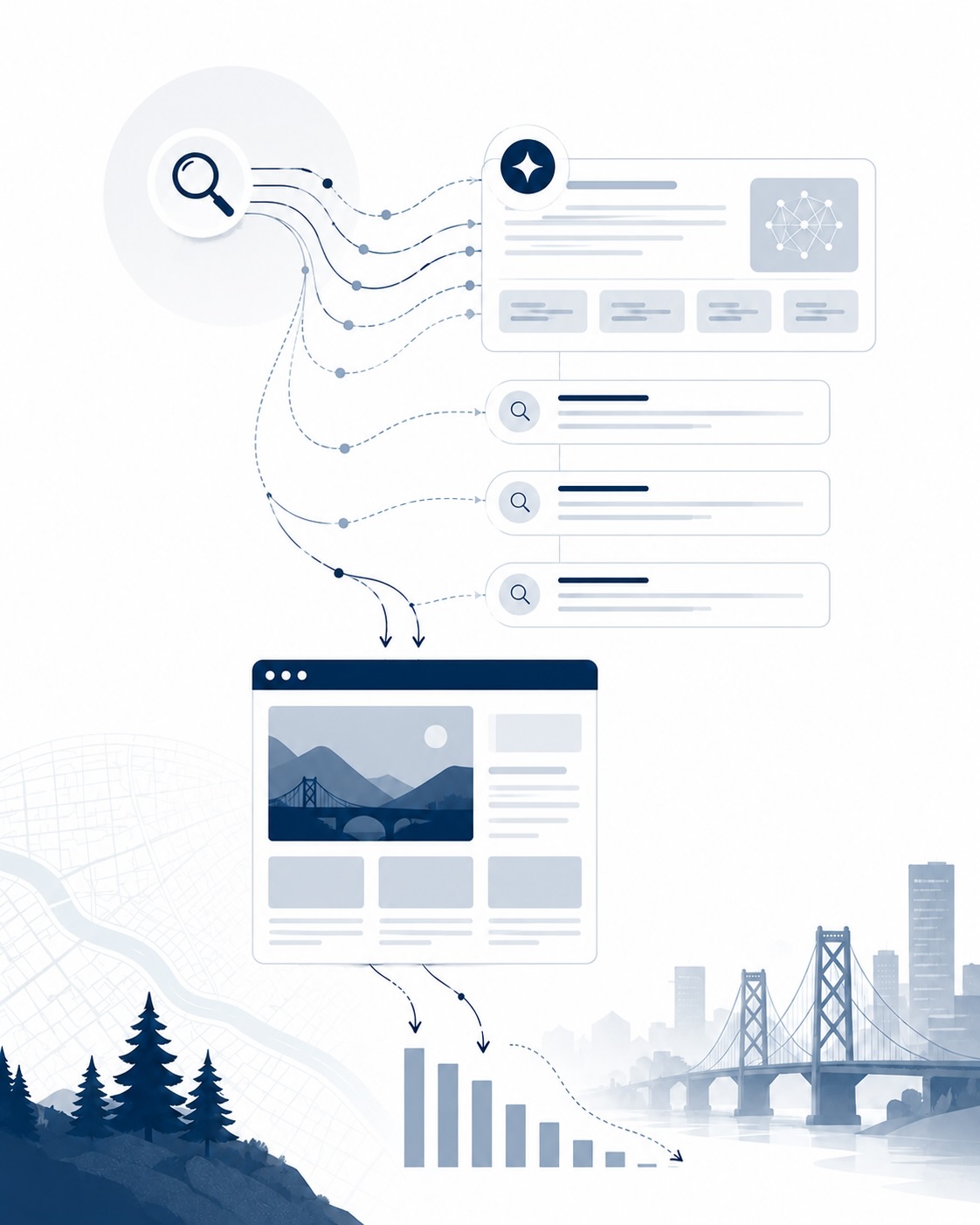
AI agents built around your workflows, not a template
Inquiries someone routes by hand. Reports assembled from three systems every Friday. Information retyped between tools, and incoming work that waits on review. That’s the work custom AI agents are good at, and you don’t need to understand agent architecture to know what faster responses, fewer handoffs, and shorter queues would be worth to your business.
We design and build the agent around your systems, handle the engineering that makes it dependable, and stay involved after launch. Tell us the workflow; we’ll tell you what we’d build.
AI Agent Development Services We Offer
Every build starts from your workflow. Depending on the job, the right answer is conventional automation, an AI-assisted workflow, or a custom AI agent. We build all three and recommend the one the job needs.
Customer Support & Inquiry Handling
When the same questions arrive across email, chat, and forms all day, response time depends on who’s free. We build assistants trained on your actual content and policies that answer instantly and hand off to a person through explicit escalation paths. Customers stop waiting; your team keeps the judgment calls.
Internal Knowledge & Document Assistants
The answers your team needs live across wikis, PDFs, and old threads. We build retrieval-based assistants that answer from your documents and data, with sources your team can check, so finding the policy or the spec takes seconds instead of a search party.
Operations & Reporting Agents
Reports built from three systems, data retyped between tools, exceptions nobody sees until month end. We build agents that move the data, prepare the reports, and flag what needs a human decision. This is often where automation pays back fastest.
Research & Analysis Agents
Markets, accounts, and content change faster than anyone can watch. We build agents that monitor on a cadence people can’t sustain and summarize what changed, the way our own SEO and ads workflows run. You get the signal without staffing the watch.
Code Review & Development Workflows
Development teams lose days to review queues and inconsistent standards. We build agents that review, test, and document code, the way CodeRaven reviews every change we ship. Developers stay the final approvers; the first pass stops being the bottleneck.
Vendor Takeover & AI Rescue
A stalled AI build, or an AI-generated codebase you’ve inherited, doesn’t have to be a write-off. We audit what exists and do the security and reliability work it needs before it can ship.
Our own AI agent runs in production
CodeRaven, the code-review agent we built and operate, has reviewed every pull request (code change) our team has shipped since February 27, 2026. The agent does the first pass; a developer still gives final approval on every merge. That’s the same evaluation, monitoring, and cost-tracking discipline we bring to client builds. The CodeRaven case study covers the first 148 days in detail.
Pull requests reviewed, Feb 27 to Jul 25, 2026
Pull requests asked to change before merging
Review runs that flagged a high-severity issue
How an AI agent project works
Every step has a deliverable in plain language and a decision point before the next. Starting the conversation costs nothing; you choose how far to take it.
Understand the workflow
We map the workflow, the systems it touches, and what better would look like. You get our read in writing: whether this needs an agent, a simpler workflow, or nothing yet, and what to build first.
Build and evaluate
For a focused implementation, this is the build itself. For larger or uncertain builds, a scoped pilot proves one workflow first, with success criteria agreed before we write code and a real go or no-go decision at the end.
Integrate and launch
We wire the solution into your systems and do the production engineering: testing against real cases, failure handling, monitoring, and access control.
Support and improve
After launch we can operate and calibrate the system with you: human review tiered by risk, costs metered per engagement, and improvements as the work evolves.
What every production build includes
Every system we ship is built to run in the real world, not just work in a demo. We build beyond the AI itself, adding the testing, oversight, security, monitoring, and documentation needed to operate it with confidence.
Engagement models, priced in the open
Some projects are ready to move. Others need a little definition first. We keep the process simple, scope the work clearly, and make sure the approach, timeline, and cost are understood before anything begins.
That means starting with what the project actually needs, not forcing every client into the same process. The goal is a clear path forward, with no surprises once the work is underway.
AI Opportunity Session
A half-day working session to find the right first move.
- Two to three candidate workflows evaluated
- A build or do-not-build call on each, with cost ranges
- A written roadmap in about a week
- Fee credited toward an assessment or implementation
Focused AI Implementation
One workflow or business need, production-ready.
- Scope sets the price, agreed in writing before we build
- Built in the tools you already run
- Tested, monitored, and yours, not an experiment
- The right size for a first win
Custom AI Systems
Multiple workflows, deep integrations, custom applications.
- Scoped in writing before you commit
- Evals, guardrails, monitoring, audit trail
- A scoped pilot first, when feasibility needs proving
- Team onboarding and documentation
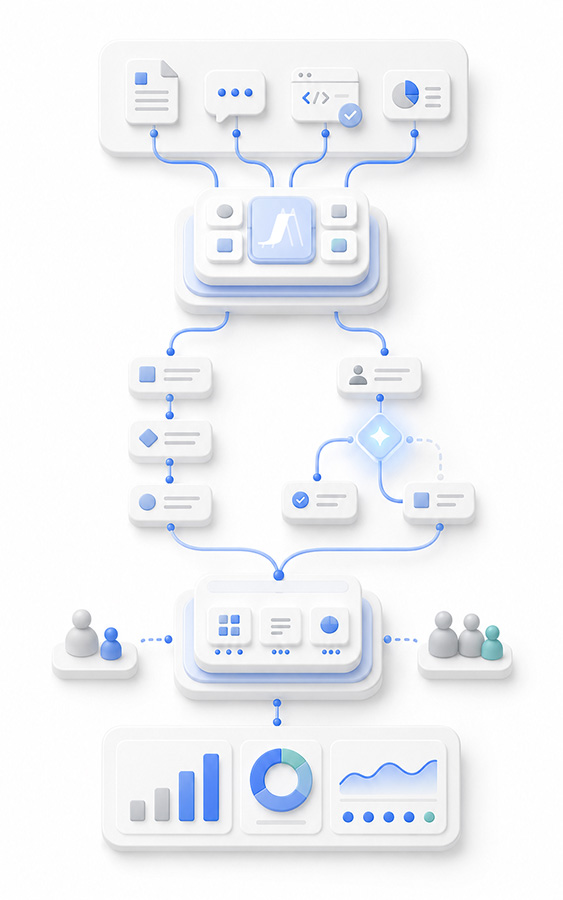
Why Choose SLIDEFACTORY as Your AI Agent Development Company
We’ve been building and shipping software from Portland since 2018, including websites, mobile apps, interactive experiences, and AI systems for startups, healthcare companies, and national brands. That experience matters because successful AI agent development is rarely just about the model. The real work is connecting systems, defining workflows, handling data safely, and making sure everything works reliably in production.
AI automation services built around your business
Not every problem needs the same solution. Some are best handled by a custom AI agent that can evaluate information and take action. Others are better suited to a focused automation workflow. We build both, based on what the business actually needs.
Our recent work includes CodeRaven, our AI code-review agent, which reviews software changes as part of the development process, and AI-powered learning systems that personalize content, support educators, and help students move through interactive activities more effectively.
We also operate AI in production ourselves, which gives us firsthand experience with reliability, oversight, maintenance, and the day-to-day realities of running these systems after launch.
The questions we answer before we build
Every project starts by answering the practical questions that determine whether the system will work in your business, not just in a demo.
Will it work with our systems?
We connect AI agents to the tools you already use, including CRMs, support platforms, analytics, internal APIs, and custom software.
Can we control what it does?
Yes. We define what the system can access, what actions it can take, and where human approval is required, with clear data boundaries and an audit trail.
How will we know it works?
We define success before launch, test against clear evaluation criteria, and monitor performance once the system is live.
What happens after launch?
We build for model portability, so your system can evolve as OpenAI, Claude, Gemini, and other providers change.
The operating model behind our AI work
AI changes more than how fast work gets done. It changes how teams plan, manage, price, and deliver that work in the first place.
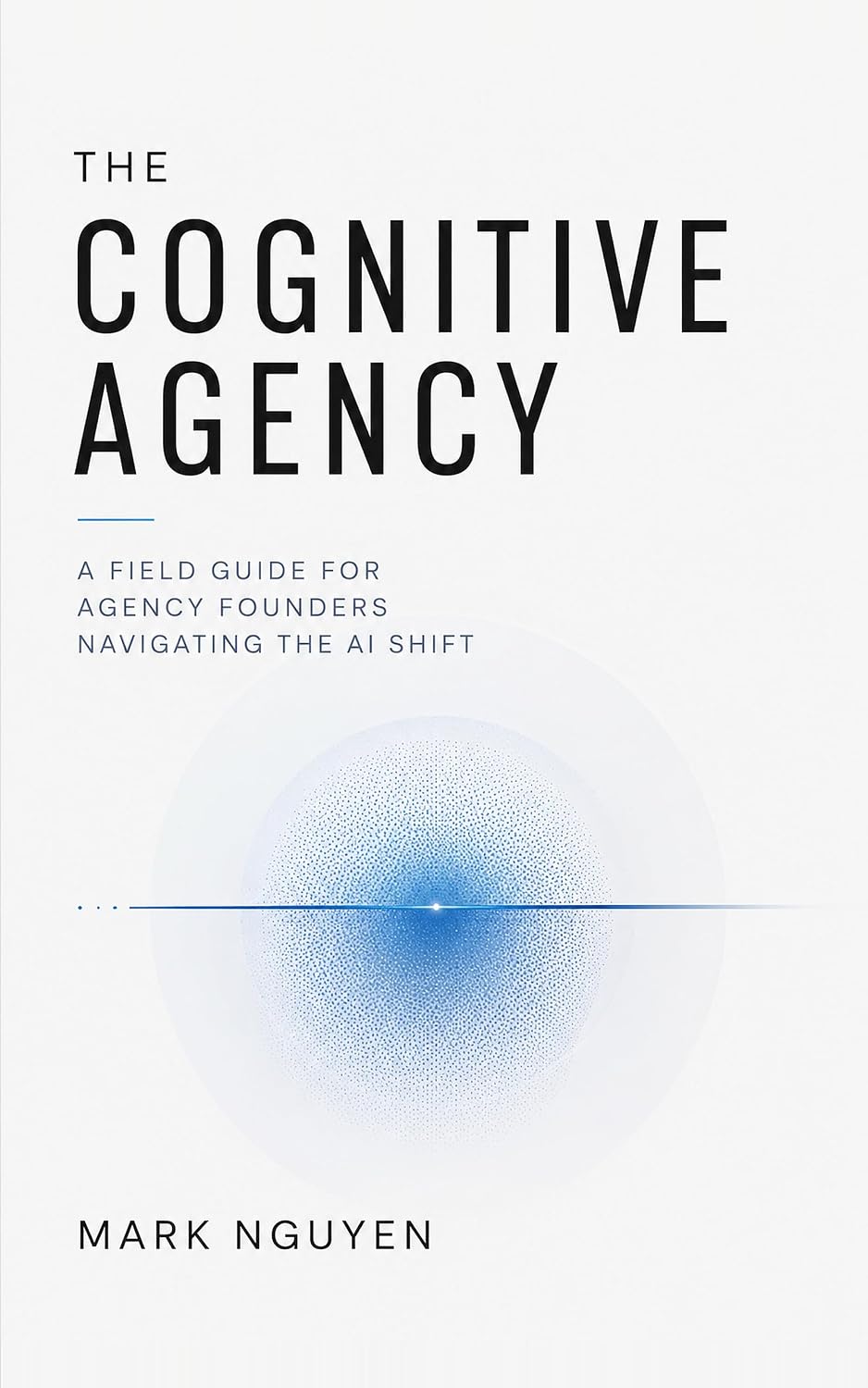
That shift is the focus of The Cognitive Agency, a book by SLIDEFACTORY founder Mark Nguyen about building a business around AI without losing the human judgment that makes the work valuable.
The same thinking shapes how we build AI systems for clients: automate the work that should be automated, keep people in control of the decisions that matter, and design workflows that improve how the business operates.
Industries where we put AI to work
AI can solve similar problems across industries, but the details matter. We bring the same core engineering approach to each engagement, then adapt it to the workflows, systems, risks, and people involved.
Healthcare
We’ve worked with healthcare companies since 2018, where security, auditability, and clear data boundaries are essential. Common uses include intake triage, documentation support, reporting, and other workflows where people stay in control of important decisions.
Education & Learning Software
We build AI around how people actually learn. That includes recommendation systems, tutoring assistants, personalized content, and tools that adapt resources to individual needs.
Software & SaaS
We work with software teams on AI features that live inside the product, not beside it. That includes code review, support automation, documentation, internal tools, and agent workflows connected directly to existing systems.
Small Business & Professional Services
We help smaller teams find practical places to use AI without overbuilding. The focus is usually one valuable workflow first, with clear ROI and a path to expand once it proves useful.
Games & Interactive
Our background in Unity and interactive development gives us a practical view of where AI fits into game production. We use it for asset workflows, QA, reporting, content operations, and other systems that help teams ship more efficiently.
Retail & Ecommerce
We build AI around the operational work behind ecommerce, including product data, catalog management, customer questions, order support, content operations, and review triage, with clear handoff to people when needed.
Related Solutions

AI Consulting & Development
AI Consulting and AI Development that helps Portland businesses automate tasks, and improve decision-making.
Explore AI Development →
Creative & Generative AI Production
High Quality and Low cost scalable Content Creation Using Generative AI for Social Media, Training Videos, Voice, & Creative Campaigns.
Explore Creative AI →
Portland Digital Marketing Agency
Grow your business with paid search, paid social, content marketing, and outbound campaigns. Full-service digital marketing for Oregon companies.
Explore Marketing Solutions →


Frequently Asked Questions
What's the difference between an AI agent and workflow automation?
A workflow follows steps you defined in advance; an agent uses a language model to decide what to do next, calling tools, checking results, adjusting course. We build both, and the assessment tells you honestly which one your process actually needs. Deterministic processes are almost always better served by a plain workflow.
How long does it take to build an AI agent?
Most pilots are measured in weeks, not months, the fixed-scope assessment gives you a firm timeline before you commit to anything. Production hardening (evaluation suites, guardrails, monitoring) is typically a second phase of comparable length.
How much does an AI agent cost to run?
Less than most people expect. CodeRaven’s total model spend for five months of production code review (2,812 review runs) was $161.20. Model costs are usually the smallest line item; the real budget goes to engineering, evaluation, and integration, which is why the build is scoped carefully.
Do AI agents replace employees?
In our experience operating one: no. Agents absorb the repetitive middle of a job (the triage, the first pass, the data movement) and the judgment stays human. CodeRaven reviews every pull request, but humans still decide what merges.
Can you take over an agent or AI build another vendor started?
Yes. Vendor takeovers and rescues of stalled AI builds are a regular part of the practice, including AI-generated codebases that need security and reliability work before they can ship. See our AI code rescue service for how those engagements are scoped.
Do you offer AI automation services without a full agent build?
Yes. Plenty of automation needs a model call inside an existing workflow rather than an autonomous agent: document intake, triage, summarization, scheduled reporting. Those are smaller builds with faster payback, and we will tell you on the scoping call which one your process actually needs. The label matters less than the fit: artificial intelligence automation, agentic workflows, and plain scripting often show up inside one engagement.
How much does AI agent development cost?
Published and scoped: an AI Opportunity Session from $1,500, a focused implementation of one workflow from $5,000 and priced by scope, and custom multi-workflow systems from $40,000. Larger builds can start with a $4,500 readiness assessment, and a scoped pilot from $12,500 tests feasibility when that’s genuinely in question. When you continue, the session fee is credited toward your next step, an assessment or a focused implementation, and the assessment fee toward a pilot. Running costs are metered per engagement, and engineering, not compute, is usually the bigger line.
Which AI models do you build agents on?
Claude, OpenAI, and Gemini models, chosen per workload rather than by loyalty. Specifications are written around outcomes, so the model stays a replaceable part. We’ve moved production workloads between providers; switching still takes engineering and evaluation, but it’s a project, not a rebuild, which means your agent can follow the best or cheapest model as the market changes.
Can AI agents integrate with the systems we already use?
Yes, that is most of the work. We connect agents through the Model Context Protocol and standard APIs to CRMs, ticketing, analytics, content platforms, and codebases, and we have shipped MCP integrations for platforms like HubSpot and Runway. If a system has an API, an agent can usually work with it. If it does not, we will tell you what that constraint costs before you commit.
How do you keep AI agents secure and under control?
Least-privilege access, hard data boundaries between clients and systems, an audit trail of every agent action, and human review checkpoints tiered by risk. Rules an agent might route around are enforced technically, not by instruction. Every production build ships with monitoring and a security review before launch.