
Vision Pro Development
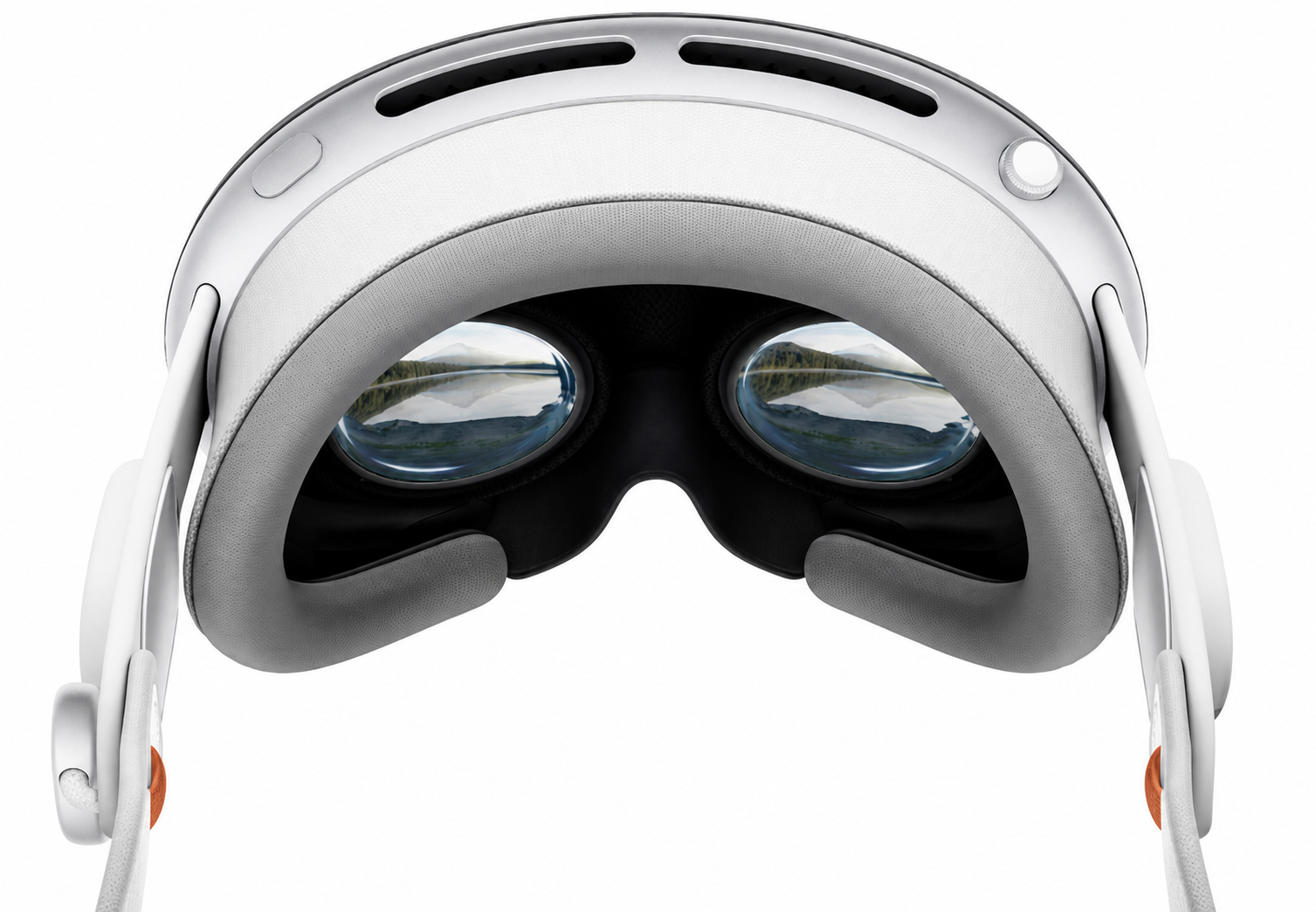
Vision Pro development for training, product demos, and collaboration tools, native visionOS or ported from an existing Unity VR/AR app, by the same team behind our production VR practice.
Companies we've collaborated with









Vision Pro Development, Built by a Working VR/AR Team
SLIDEFACTORY builds native visionOS apps and spatial experiences for Apple Vision Pro, training simulations, product demos, and collaborative tools, as an extension of the VR and AR practice we already run in production. We build with SwiftUI, RealityKit, ARKit, Unity, and Reality Composer Pro, and choose the toolset based on how native the experience needs to be.
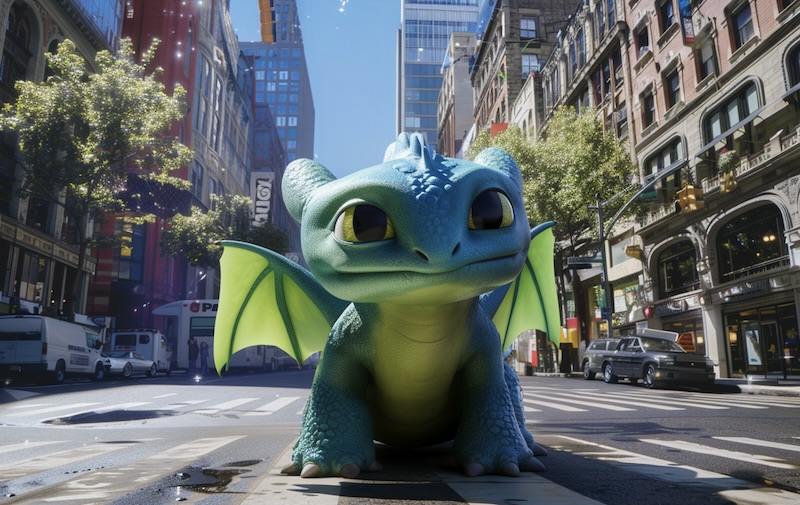
Blending digital content into the physical world
The same four categories that make up most of our VR/AR practice translate directly to visionOS: training and simulation, product demonstrations that let customers examine something too big or not built yet, collaborative tools where distributed teams review 3D work in shared space, and spatial marketing that blends digital content into a physical room. Vision Pro’s passthrough and hand-tracking make it a strong fit for the collaboration and product-demo cases in particular, where a fully opaque headset gets in the way.
What We Offer
Vision Pro Consulting
We’ll bring our background in XR development across industry and game related projects to provide strategic guidance for your next spatial project.
VisionOS Integration
We’ll work with your team to port your existing XR application to visionOS and incorporate platform specific enhancements to give your product an edge.
Custom VisionOS Development
If your application requires a native touch, we work within SwiftUI, RealityKit, and ARKit to create sophisticated and responsive interfaces for your native projects.
Unity & Reality Composer Pro
Looking to leverage an industry standard game development tool to give your product an edge? Leverage Unity’s familiar workflows and powerful tools to quickly bring your vision to life.
Training & Simulation
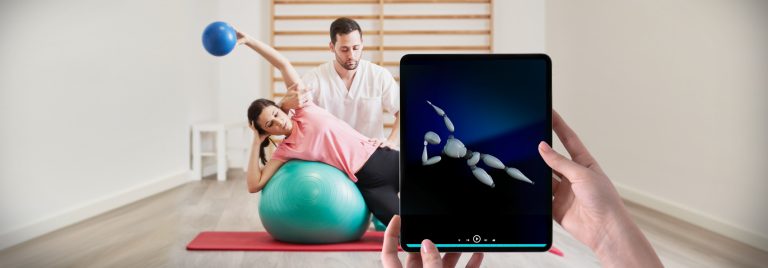
The deepest part of our spatial practice, carried onto visionOS: procedure-accurate training that people can rehearse safely and repeatedly.
Collaboration & Spatial Marketing
Shared spaces where distributed teams review 3D work together, and spatial marketing that blends digital content into a physical room.
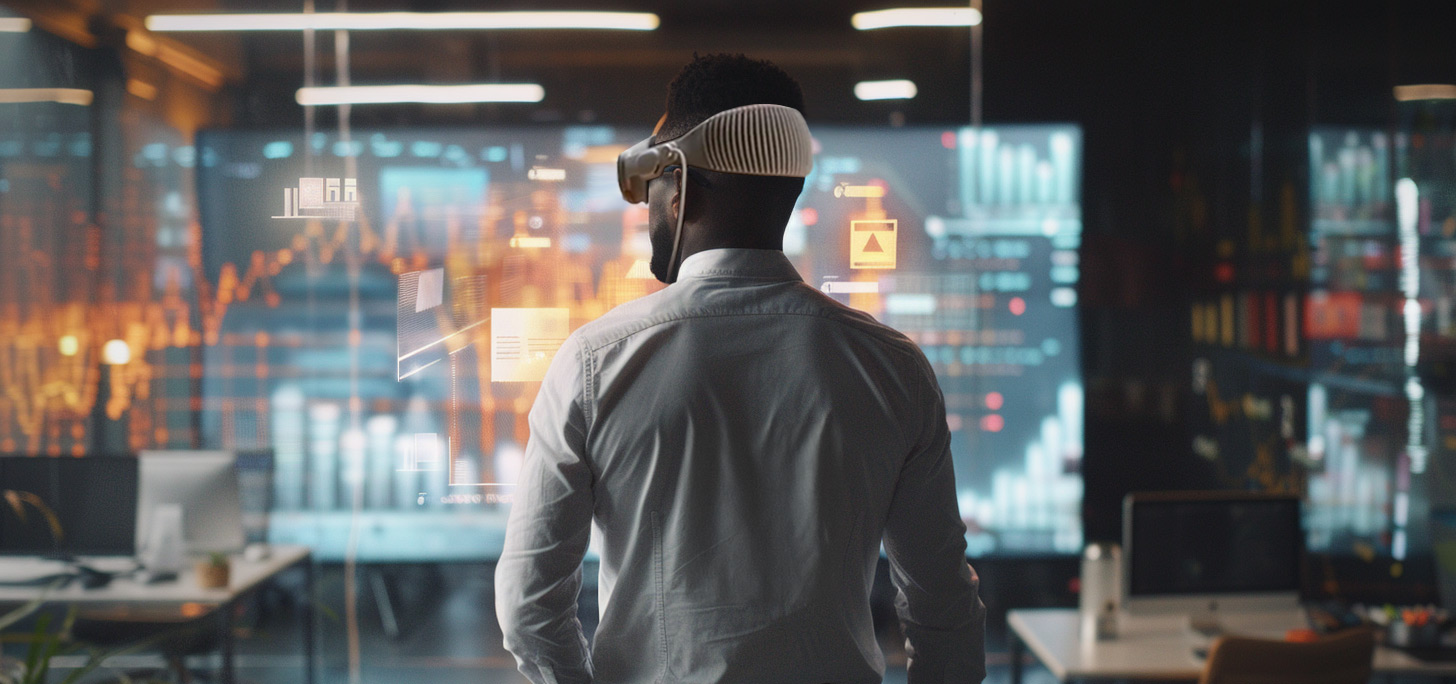
Why work with SLIDEFACTORY on Vision Pro?
Vision Pro is a new device, but spatial computing isn’t new work for us, it’s the same team behind our VR training and AR activation projects, now building for an additional headset. We’re a development shop first, 3D art, engineering, and deployment in-house, so a Vision Pro project doesn’t get split across vendors. If you have a training problem, a hard-to-demo product, or a Vision Pro idea you want a straight assessment of, get in touch.
What Vision Pro is actually for right now
Honest answer: in 2026, Vision Pro earns its budget in high-value niches, not mass consumer apps. Training and simulation where presence matters, product visualization for considered purchases, and spatial workflows for specialized professionals. If your use case is a phone app wearing a headset, we will say so before you spend anything.
Where it fits, it fits like nothing else, and early platform presence is cheap attention: the store is not crowded, and a well-built spatial app still gets noticed.
From Quest to Vision Pro: what carries over
Most of our visionOS work builds on years of VR development rather than starting from zero. Interaction design for hands and gaze, performance discipline for standalone headsets, and content pipelines all transfer; what changes is Apple’s toolchain and the polish bar users expect.
If you are weighing the platform, a proof-of-concept sprint answers the feasibility question for a fraction of a full build, and our VR development team covers the Quest and WebXR side of the same decision.
Related Solutions
Augmented Reality & Virtual Reality Experiences
Custom AR and VR Development for Training, Simulation, and Storytelling. Augmented Reality & Virtual Reality Experiences.
Explore AR/ VR Solutions →
Unity Development
Expert Unity development for immersive games, training programs, and dynamic marketing campaigns.
Explore Unity Dev →
Game Development
Custom game development for desktop, mobile, VR, and web.
Explore Game Dev →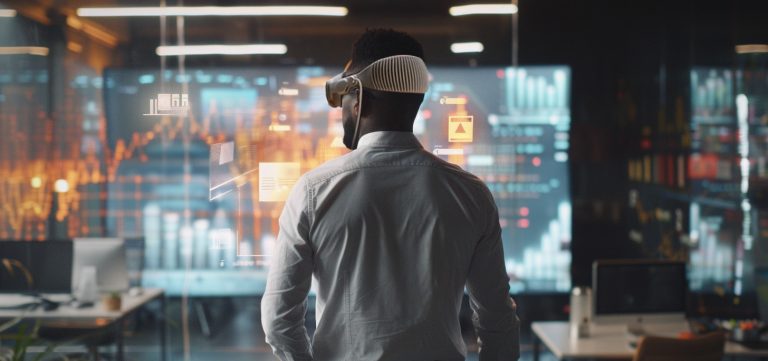
Frequently Asked Questions
How much does Vision Pro development cost?
It depends on scope: how much of the experience is native visionOS versus ported from an existing app, how many scenes or modules, and whether it’s single- or multi-user. Most projects start with one scoped experience so you can test on real hardware before committing to a larger build. We provide a detailed estimate after a discovery conversation.
Can you port our existing VR or AR app to Vision Pro?
Yes, if it’s built in Unity, PolySpatial support lets us bring it to visionOS without a full rebuild. Apps built natively for other platforms typically need more rework, since Vision Pro’s interaction model (hand-tracking, passthrough, eye-tracking) is different enough that a straight port rarely feels right without adjustment.
Do you build native visionOS apps, or only Unity-based ones?
Both. We build native apps in SwiftUI, RealityKit, and ARKit when a project needs to feel fully at home on the platform, and in Unity with PolySpatial when cross-platform reach or an existing codebase matters more.
Is Vision Pro worth building for right now?
It depends on your audience and use case. Vision Pro is a strong fit for enterprise training, product demos, and collaboration tools where the hardware cost is justified by the value of the use case; it’s a harder sell for consumer apps that need broad reach today. We’ll tell you honestly if a different headset, or the browser via WebXR, fits your goal better.
How long does a Vision Pro project take?
A single scoped experience, enough to test the core interaction on real hardware, typically comes together in a few months. Timelines depend heavily on whether you’re porting an existing app or building native, and how much 3D content needs to be created from scratch.